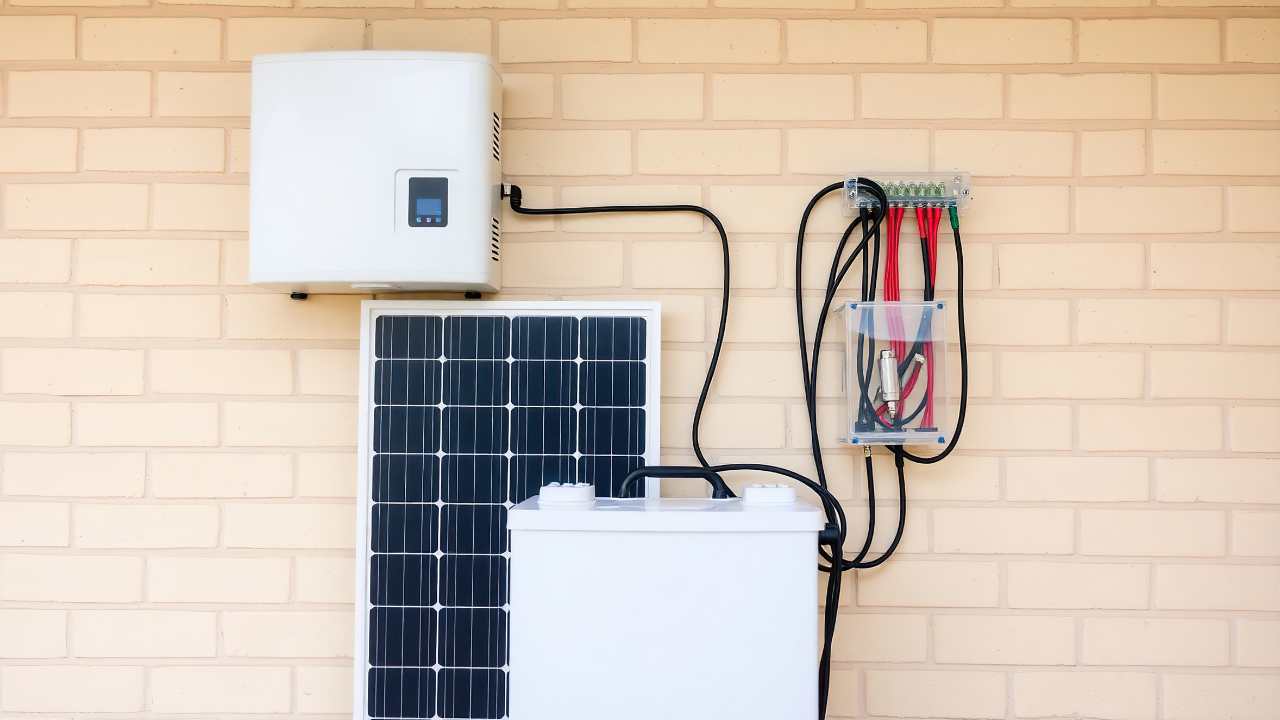
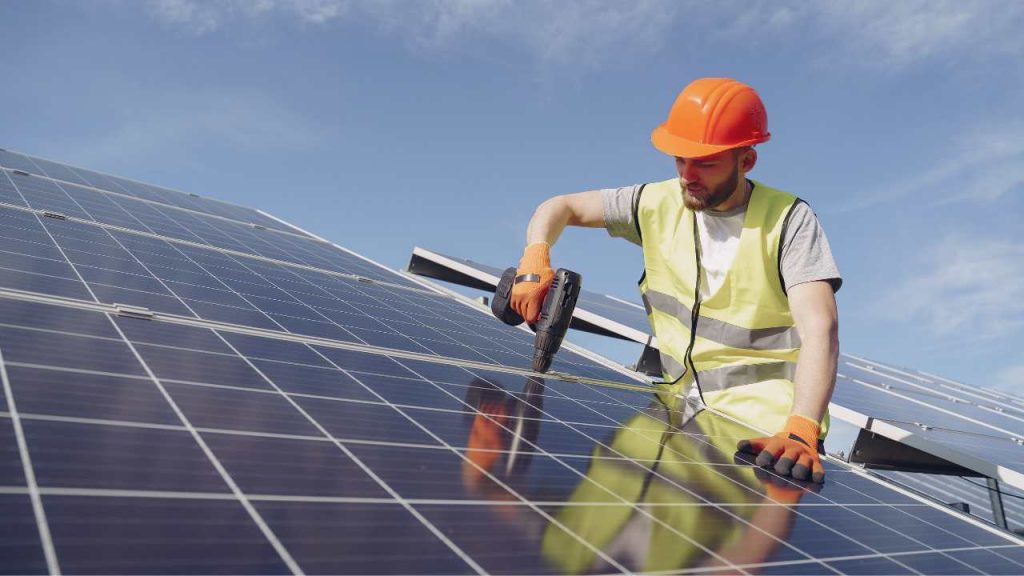
Electricity bills are climbing to higher levels every month, and this is likely one of the most common reasons why homeowners in Ireland are shifting towards solar. These rising costs can slowly lead to bigger financial worries, and to make lives easier, this is where renewable energy solutions come in to provide long-term relief.
Solar panel installation in Ireland can vary depending on your property, but understanding when the time is right can help you make a confident and cost-effective decision. Investing in solar is not something you can ignore for too long because it helps keep your home or business running efficiently, lowers expenses, and promotes sustainability. In a country like Ireland, where energy prices fluctuate, having access to reliable solar experts who offer transparent advice is crucial.
In this blog, we will explore five major signs your home or business is ready for solar panels, discuss the key factors that determine readiness, and share practical tips to help you start your solar journey with clarity and confidence.
Is Your Property Ready to Switch to Solar Energy in Ireland?
Deciding if your property is ready to switch to solar energy starts with assessing how suitable it is for installation. Factors such as roof direction, shading, structure, and your average electricity consumption all play an important role in determining if solar panels will deliver maximum benefit.
Even in Ireland’s mixed weather, modern solar technology can generate consistent energy throughout the year, making it a reliable renewable option. One major advantage for Irish homeowners and businesses is the SEAI Grant, which helps reduce the upfront cost of installation and makes solar more affordable.
When combining these financial supports with lower long-term energy bills and increased property value, switching to solar becomes both a smart investment and a sustainable choice. Understanding these factors ensures your property is well prepared for a smooth transition to clean energy.
5 Signs Your Home or Business is Ready for Solar Panels
Knowing when a property is ready to install solar panels helps ensure long-term efficiency, savings, and sustainability. Here are five signs that a home or business in Ireland is well-suited for solar energy.
1. High Daytime Electricity Consumption
Solar panels generate the most energy during daylight hours, so properties that use a lot of electricity during the day see the biggest savings. This includes homes with people at home during the day, EV charging, heat pumps, and businesses like cafés, offices, retail units, workshops, or farms.
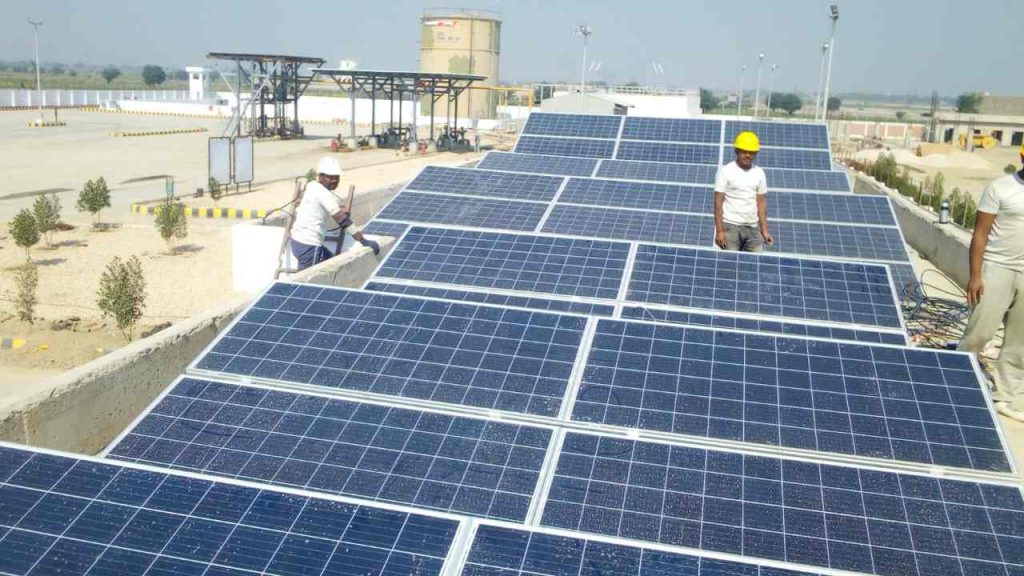
If your daytime usage is consistently high, solar can offset a significant portion of your energy costs and deliver a faster return on investment.
2. Your Roof in Good Structural Condition
A stable and well-maintained roof is essential for any solar installation. Roofs with strong support, minimal shading and good orientation, preferably south-facing, allow panels to produce the best output.
A clear area of 15 to 20 square metres is usually suitable for a standard Irish home. When roof space is limited or unsuitable, ground-mounted or carport systems can provide excellent alternatives for larger properties or businesses.
3. Long-Term Property Ownership
Solar panels offer the greatest benefits when the property remains occupied for several years. With a lifespan of over 25 years and a payback period of around five to seven years, solar energy provides long-lasting value.
The SEAI Grant further reduces installation costs, helping owners achieve savings faster while adding lasting value to the property and improving its sustainability credentials.
4. Rising Energy Costs and Grant Eligibility
Electricity prices in Ireland have increased steadily, making solar energy a smart financial decision. Producing renewable power on-site reduces dependence on suppliers and stabilises energy expenses.
The SEAI Grant makes installation more affordable, and under Ireland’s micro-generation support scheme, any excess energy can be exported to the grid for payment. These combined incentives create a strong financial case for adopting solar power.
5. Direct Sunlight Access
Even in Ireland’s mixed weather, having a roof that receives consistent daylight significantly impacts your solar panel performance. You don’t need scorching sunshine; modern panels work efficiently in cloudy conditions, but your roof should have minimal shading from trees, chimneys, neighbouring buildings or tall structures.
A property that enjoys clear exposure to the sky for most of the day will naturally generate more electricity and deliver better long-term savings. If you notice that your roof stays bright from morning to afternoon, or that shadows only fall on it briefly, it’s a strong sign that your home or business is well-suited for solar PV.
What Factors Determine If a Property Is Suitable for Solar Panels?
Several factors influence how effective solar panels will be on a property. Understanding these helps ensure the best performance, efficiency, and long-term value.
1. Roof Orientation and Angle
The direction and slope of a roof play a major role in solar efficiency. South-facing roofs capture the most sunlight in Ireland, while east- or west-facing ones can still perform well. A pitch between 30 and 40 degrees is generally ideal.
Even if orientation is not perfect, professional installers can adjust mounting angles to maximise exposure and ensure strong energy production throughout the year.
2. Shading and Surrounding Obstacles
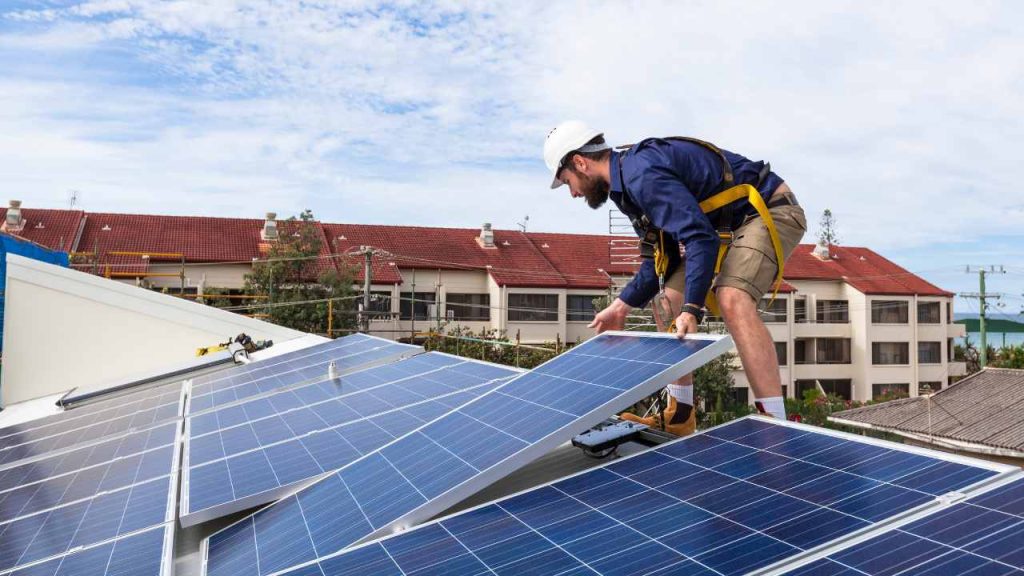
Obstructions such as trees, chimneys, or tall buildings can reduce energy output. Even partial shading impacts performance by blocking sunlight from reaching panels evenly.
A site survey helps identify any shading issues during different times of the day or year. Simple actions like trimming trees or optimising panel layout can often resolve the problem and improve overall system efficiency.
3. Roof Condition and Structural Strength
A durable, well-maintained roof is essential for safe and reliable solar installation. The structure must support the added weight of panels and frames without risk of damage.
Roofs showing wear or leaks should be repaired before installation. Professional installers typically inspect and confirm structural readiness, ensuring long-term system performance and safety.
4. Available Space and Layout
Sufficient roof space is necessary for solar panels to generate meaningful output. Most homes in Ireland require around 15 to 20 square metres for a typical system.
Roofs with multiple levels or skylights may need a customised design. When space is limited, ground-mounted systems or solar carports can offer practical alternatives that deliver similar benefits.
Conclusion
Choosing solar energy is a smart, future-focused decision for both homes and businesses in Ireland. Knowing when your property is ready and what factors matter most ensures a system that performs efficiently, saves money, and supports a sustainable lifestyle. With rising energy costs and attractive SEAI grants, investing in solar panels is now more rewarding than ever.
Contact My Power today for a consultation and discover how solar energy can transform your property, reduce your bills, and power your future sustainably.