Are you looking for how you can cut energy costs while contributing to a greener future? The micro-generation scheme in Ireland was designed to support households, businesses, and communities in generating their own renewable power.
By offering grants for solar PV and payments for excess electricity exported back to the grid, the scheme makes clean energy more affordable. It also helps reduce reliance on traditional energy sources and lowers carbon emissions.
In this blog, we’ll explore how the scheme works, who can benefit, and why now is the right time to take part.
Let’s start!
What is Micro Generation Support Scheme in Ireland?
Micro-generation refers to producing electricity on a small scale using renewable technologies. This can include solar panels, small wind turbines, micro-hydro systems, and combined heat and power (CHP) units. This allow households and businesses to create their own clean energy, reducing reliance on traditional electricity sources.
The government highlighted the need for a structured approach to micro-generation in the Climate Action Plan 2021. Following this, a consultation was held in early 2021 to gather public input. By December 2021, the Microgeneration Support Scheme (MSS) was officially approved, laying the foundation for grants and financial support to encourage adoption.
The rollout of the micro-generation scheme in Ireland began in 2022, starting with domestic solar PV grants in February of that year. Later in September, the non-domestic solar PV grant was introduced, extending benefits to businesses and organisations. In July 2023, support for non-domestic applicants was further improved to make renewable energy generation more accessible to a wider range of users.
How Does the Micro Generation Support Scheme Work?

The Micro-generation Support Scheme (MSS) gives homeowners the chance to earn from the extra electricity their solar panels produce by exporting it back to the grid.
Choosing the Right Form for Your System
Before you can start, you’ll need to notify ESB Networks using either an NC6 or NC7 form, depending on the size of your system. Smaller systems, less than 6kW for single-phase or under 11kW for three-phase require the NC6 form.
Larger installations, between 6kW to 50kW for single-phase or 11kW to 50kW for three-phase, must submit the NC7 form instead. Selecting the correct form ensures your system is registered properly and avoids delays in payments.
Connecting Your Solar Panels to the Grid
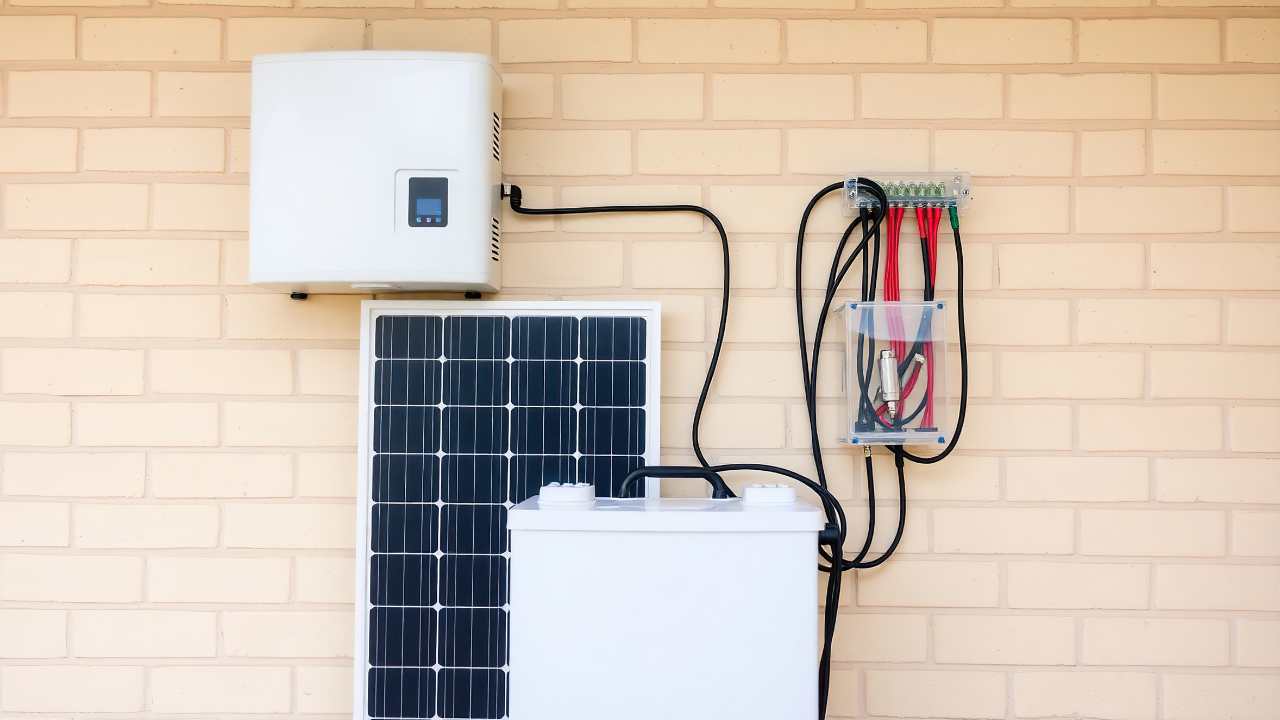
Once your solar panels are installed and linked to the grid, they will begin generating electricity to power your home. Any excess power that is not used can be exported to the grid, meaning you not only reduce your household energy bills but also earn credits from your supplier.
This process is automatic once your system is connected, giving you a steady return from surplus generation. Exporting energy in this way maximises the value of your solar investment.
Measuring Electricity
To calculate payments accurately, a smart meter records both the electricity you consume and the excess you export, typically in half-hour intervals. If you are eligible for a smart meter but do not yet have one installed, payments will only begin once installation is complete and your forms are processed.
In cases where a smart meter is not available, estimates provided by the Commission for Regulation of Utilities (CRU) are used. This ensures there is always a method in place to track and credit the energy you supply to the grid.
Tax Benefits for Micro-generation
Between January 2024 and December 2025, households that sell extra electricity to the national grid can qualify for a yearly tax exemption of up to €400. This exemption covers income earned from exporting surplus solar energy, allowing you to keep more of your returns.
It makes small-scale renewable energy generation even more financially attractive. By combining energy savings with this tax break, homeowners can see significant benefits from their solar systems.
Who Is Eligible for the Micro-generation Support Scheme?
The scheme is open to a wide range of property owners in Ireland who want to generate their own electricity and export any unused power back to the grid.
Homeowners, Farms, and Businesses

The support scheme is available to households, farms, companies, and even community buildings. It is designed to encourage more people to use solar panels and benefit from selling their extra electricity.
Key Qualification Requirements
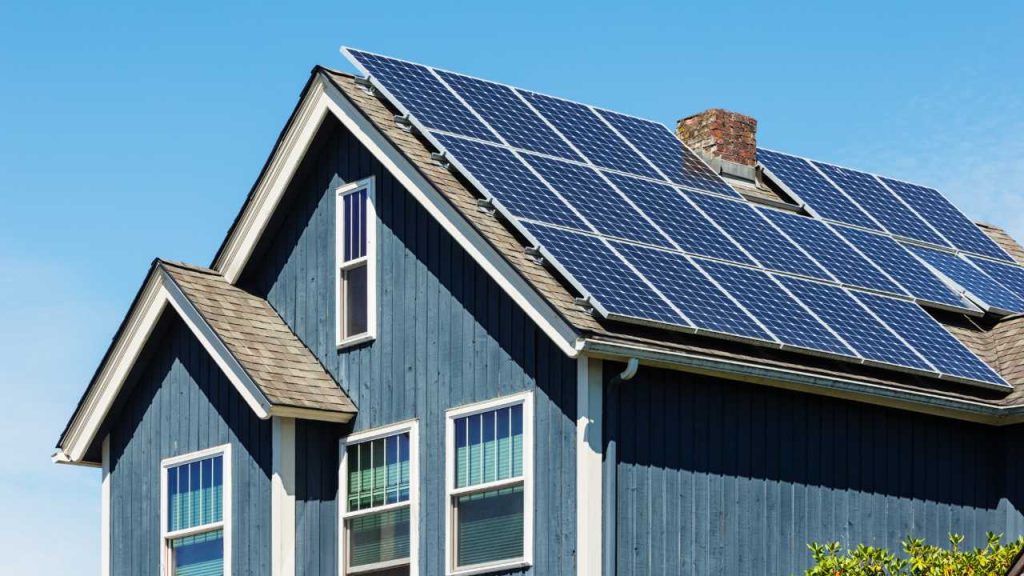
To apply, your property must already have solar panels installed, be built before 2021, and have a valid Meter Point Registration Number (MPRN). You must also be connected with a registered electricity supplier.
No BER Restrictions
There is no minimum Building Energy Rating (BER) needed to join the scheme. This makes it easier for more homes and businesses to qualify, even if their building is older or less energy efficient.
Conclusion
The micro-generation scheme in Ireland provides valuable support for households, businesses, and communities looking to invest in renewable energy. From domestic solar PV grants to extended funding for larger non-domestic projects, the scheme makes clean energy more affordable and accessible. With future plans to expand into other technologies and support gradually reducing as system costs fall, now is the ideal time to take advantage of these opportunities.
If you’re considering renewable energy for your home or business, contact My Power today to learn how we can help you benefit from the scheme and start generating your own sustainable electricity.