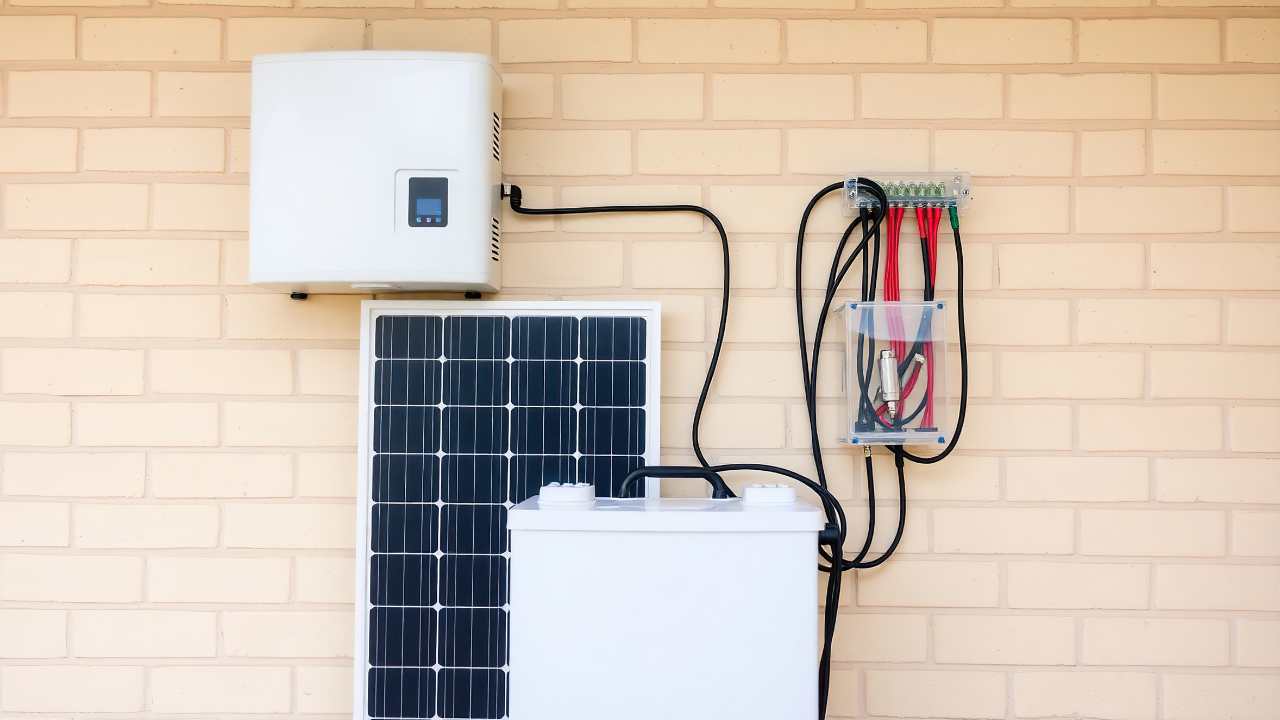
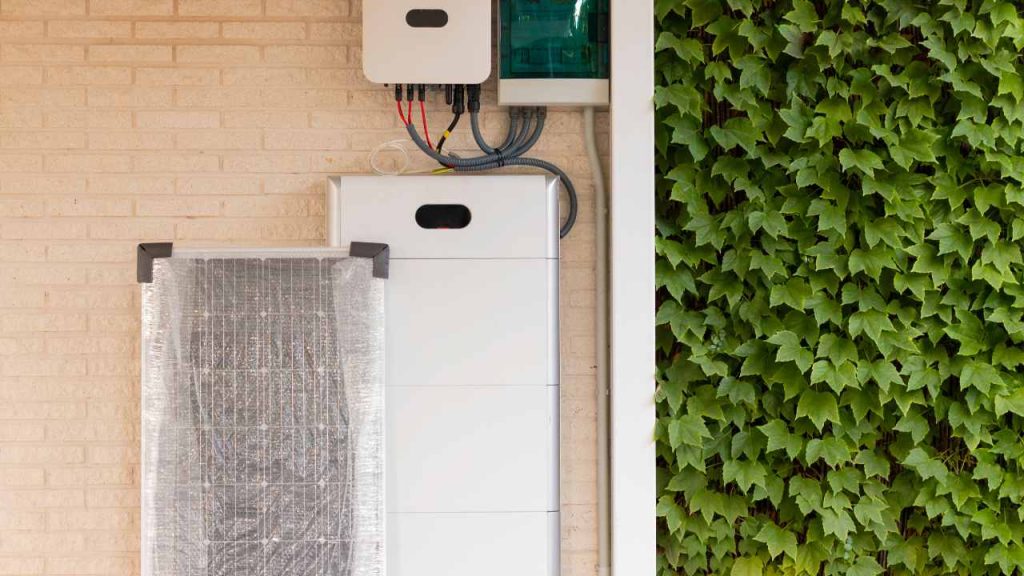
Are you thinking about installing a solar battery but unsure how to choose the right size for your home? Solar batteries are becoming increasingly popular across Ireland as more homeowners look for ways to make the most of their solar energy and reduce reliance on the national grid.
Solar batteries allow you to store the excess electricity your solar panels generate during the day, so you can use it later, especially in the evenings or on cloudy days. This means you can lower your electricity bills, increase your energy independence, and make your solar investment even more efficient.
However, understanding what size solar battery do you need is crucial to ensure your system performs at its best. In this blog, we’ll explain how to calculate the ideal battery size for your home, factors that affect your choice, and give you clear guidance to help you choose the right solution for your energy needs.
What Is Solar Battery Capacity?
When talking about the size of a solar battery, it typically refers to its capacity, not its physical dimensions. The capacity of a solar battery system is measured in kilowatt hours (kWh). One kWh of stored energy can provide 1,000 watts of electricity for one hour, which helps homeowners understand how much power they can use from their battery.
There are three key terms used when describing the capacity of a solar battery system:
Total Energy Capacity (kWh): This is the technical maximum storage capacity of the battery. It represents the total amount of energy the battery can hold when fully charged.
Usable Energy Capacity (kWh): This describes how much of the stored energy is actually available for use in your home.
Depth of Discharge (%): This measures how much of a battery’s capacity can be used without harming its lifespan. Modern batteries typically have a depth of discharge of around 90%.
These three terms are sometimes used interchangeably by different manufacturers, but generally, the usable capacity is measured as the depth of discharge of the total capacity.
What Capacities Do Solar Batteries Come In?
Home solar batteries are available in a wide range of capacities depending on the manufacturer and model. The most common starting point for residential solar batteries is around 5 kWh, which is often suitable for the average household’s evening energy use. Many homeowners choose a single 5 kWh battery to begin with, as it provides a good balance between cost and storage capacity.
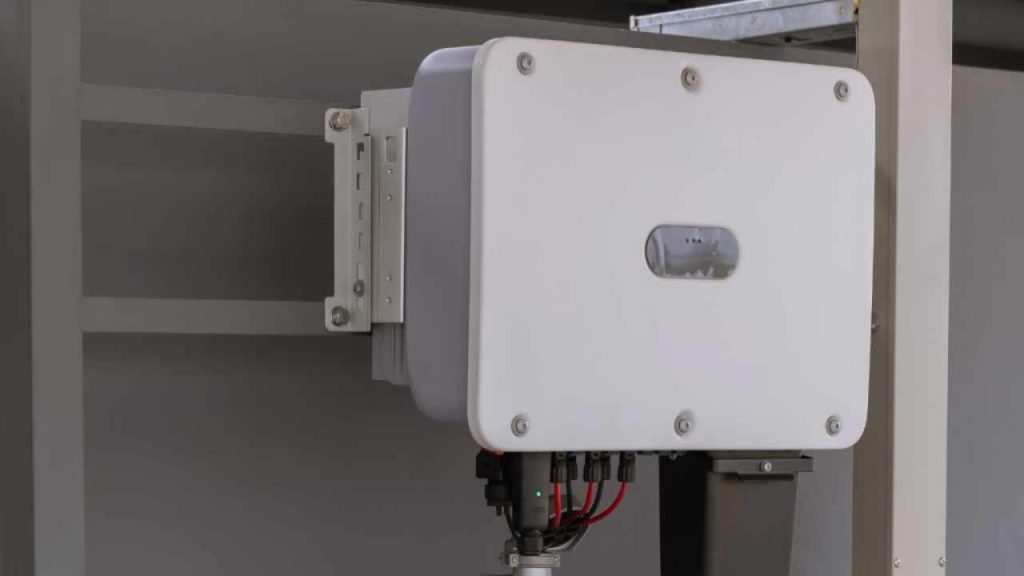
However, it’s possible to find batteries in almost any capacity by exploring different brands and product ranges. Battery technology has advanced significantly in recent years, leading to larger storage options and improved performance. As innovation continues, we can expect capacities to keep increasing, offering even more flexibility for homeowners.
How Can You Store Surplus Solar Power?
The main reason many homeowners invest in a solar battery is to store excess electricity generated by their solar panels. During the day, especially at peak sunlight hours, solar panels often produce more power than the household is using.
Without a battery, this surplus energy is sent back to the grid, often for a low return. By installing a solar battery, this extra power can be stored and then used later in the day, such as in the evening when solar production slows or stops.
This allows you to make the most of your solar investment and reduce reliance on the grid. The battery size you need depends on how many solar panels you have and your typical daily energy usage.
What Factors Affect Solar Battery Requirements?
Choosing the right solar battery size depends on several key factors that influence how much energy you can store and use efficiently. Here are the main factors that determine your ideal solar battery requirements:
Battery Usable Capacity
Usable capacity refers to the amount of stored energy that’s actually available for use in your home. A higher usable capacity means you can store and access more of the electricity your solar panels generate, which is especially beneficial during the evenings or on cloudy days.
Battery Power Rating
The power rating indicates how quickly the stored energy can be delivered to your home at any given time. A higher power rating allows you to run more appliances simultaneously, while a lower rating suits smaller households with lower energy demands.
Solar PV System Size
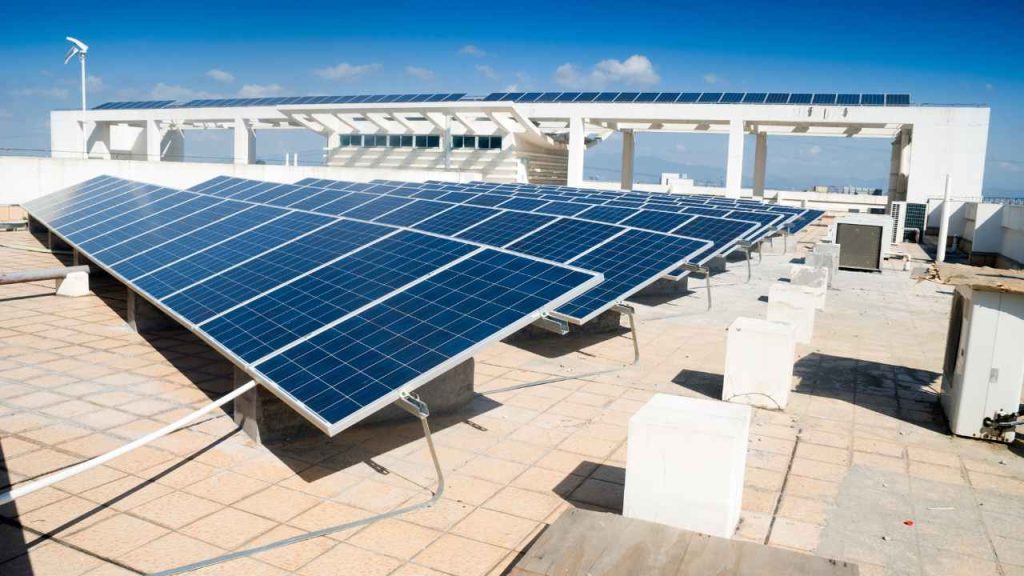
The size of your solar PV system determines how much electricity you can generate in the first place. Larger systems often produce more surplus energy, meaning you may need a bigger battery to store it effectively and avoid sending excess power back to the grid.
Electricity Usage
Your household’s daily electricity consumption patterns greatly influence battery requirements. Homes with higher evening or nighttime usage typically benefit from larger batteries, while homes with lower usage may only need a modest storage capacity to cover their needs.
Electricity Prices
Rising electricity costs make solar batteries more valuable. By storing your own solar power, you can avoid buying expensive grid electricity during peak times. In areas with higher tariffs, a well-sized battery can lead to greater long-term savings on your energy bills.
Battery Usage
How you plan to use your battery also affects sizing. Some homeowners focus on maximising self-consumption, while others want backup power during outages or aim for near-complete energy independence. Your goals will shape the ideal balance between capacity and power output.
Conclusion
Choosing the right solar battery size depends on understanding your energy usage, solar system output, storage goals, and key technical factors such as capacity, power rating, and electricity prices. By assessing how much surplus solar power you generate and when you use the most electricity, you can select a battery that maximises savings, increases self-sufficiency, and ensures long-term efficiency. The ideal solution balances cost with performance, giving your home reliable stored energy all year round.
Our team of experts will assess your home’s energy profile and recommend the perfect battery system for your needs. Contact My Power today to book your consultation and get started on your journey to greater energy independence.