Determining the best roof types for solar panels in Ireland is an essential consideration for homeowners looking to reduce their energy bills and become more environmentally conscious. With rising energy costs, many are turning to solar power as a long-term solution to power their homes efficiently. However, not all roofs are suitable for solar panel installation, and understanding the factors that make some roof types better than others is key to ensuring the most effective installation.
This is where choosing the right roof type for solar panels becomes critical. Certain roof styles offer better angles, less shading, and easier installation, all of which contribute to maximising the efficiency of your solar energy system. In Ireland, where weather and roof conditions vary, it’s important to know what roof types are most suited for solar panel installation to ensure you get the most out of your investment.
In this blog, we will explore what roof types in Ireland are best for solar panels, the factors that influence installation, and the advantages of different roof styles when it comes to solar energy.
How Does Roof Pitch Affect Solar Panel Efficiency?
The pitch or angle of your roof directly impacts the efficiency of your solar panel system. Solar panels work best when positioned at an angle that allows them to capture the most sunlight.
In Ireland, the ideal roof pitch for solar panels typically ranges between 30° and 40°, as this angle offers the best exposure to sunlight, particularly during the longer summer days. If your roof pitch is within this optimal range, your solar panels will generate more energy, improving the overall performance of your system.
For roofs with a flatter or steeper slope, mounting systems can be used to adjust the angle of the panels to ensure they receive maximum sunlight. The roof pitch plays a crucial role in maximising solar energy output, making it essential to ensure your roof is suitable for optimal panel placement.
What Roof Types in Ireland Are Best for Solar Panels?
Choosing the right roof type for solar panel installation is crucial for optimising your system’s efficiency. In Ireland, various roof types offer different advantages for solar panel placement. Here are the most common roof types in Ireland and assess their suitability for solar panel installation.
Pitched Roofs
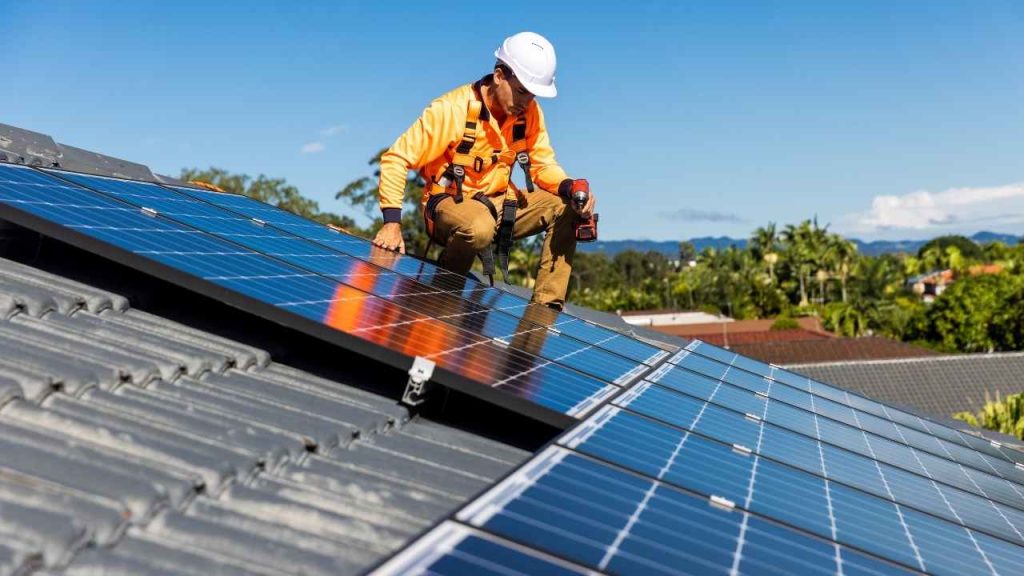
Pitched roofs, typically made of tiles, slate, or metal, are ideal for solar panels. Their natural slope allows for optimal sunlight capture, especially when facing south. With the right angle, solar panels on pitched roofs can generate maximum energy efficiently. South-facing pitched roofs are the most effective for solar energy capture, providing long-term benefits.
Flat Roofs
Flat roofs require mounting systems to tilt solar panels to the right angle. This flexibility allows for adjustments based on sunlight direction, making them suitable for larger homes or commercial buildings. With a proper setup, flat roofs can accommodate multiple panels. A structural check is recommended for flat roofs to ensure they can bear the weight of panels.
Metal Roofs
Metal roofs are durable and easy to integrate with solar panels. Their solid structure allows for secure attachment, and their slope often works well for solar panel positioning. Metal roofs are also weather-resistant, making them a long-lasting option. For installation, ensure the proper mounting techniques are used to prevent damage to the roof material.
What Factors Influence Roof Selection for Solar Panel Installation?
When selecting a roof for solar panel installation, several factors need to be considered to ensure efficiency, cost-effectiveness, and long-term performance. These roof factors all play significant roles in determining how well the system will function.
Roofing Materials
The material of your roof is crucial for solar panel installation. Common materials such as concrete tiles, metal, and slate are ideal for securing solar panels. These materials offer durability and ease of attachment, making the installation process more straightforward. The right roofing material ensures secure attachment and prevents damage during installation.
Long-Term Durability
A roof’s long-term durability affects the lifespan of your solar panels. Roofs that are built to last, such as metal and slate, are preferable as they offer a longer life expectancy. A durable roof ensures your panels stay secure and functional for decades. Choosing a durable roof means fewer repairs and more value for your investment.
Roof Pitch
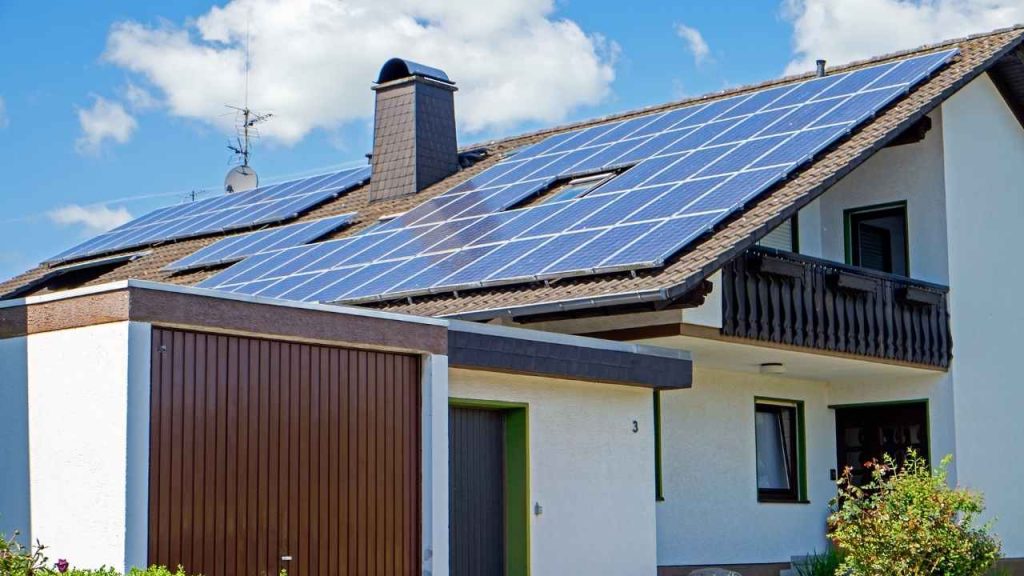
The pitch or angle of your roof impacts solar panel efficiency. Roofs with a slope of 30-40 degrees are optimal for solar energy capture. If your roof is too flat or too steep, mounting systems can adjust the panels to achieve the right angle for maximum sun exposure. A properly pitched roof ensures better sunlight exposure and overall energy generation.
Roof Condition
Before installing solar panels, it’s essential to assess the condition of your roof. A roof in poor condition, with damage or wear, may not be able to support the weight of the solar panels or may require repairs before installation. Ensuring the roof is in good shape will save on future costs and maintenance. A well-maintained roof supports your solar system and prevents unnecessary repairs.
Roof Orientation
The direction your roof faces plays a significant role in how much sunlight your panels receive. South-facing roofs are the most efficient for solar panel installations, while east and west-facing roofs can also work well. The right orientation ensures your panels get the most exposure to the sun’s energy. Proper orientation maximises energy production and enhances the efficiency of your solar panels.
Shading and Obstructions
Shading from trees, nearby buildings, or chimneys can greatly reduce the effectiveness of your solar panels. Even partial shading can lead to significant efficiency losses. It’s important to choose a roof location that is free from obstructions that could block sunlight. Minimising shading ensures optimal energy capture and maximises the return on your solar investment.
Conclusion
Selecting the right roof for solar panel installation in Ireland is crucial for maximising energy efficiency and long-term savings. Factors such as roof materials, pitch, condition, orientation, and shading all play a crucial role in ensuring the success of your solar energy system. By understanding these elements, homeowners can make decisions and optimise their investment in renewable energy.
If you’re ready to take the next step towards a more sustainable and cost-effective energy solution, My Power is here to help. Our team of experts can assess your roof and guide you through the process of installing the perfect solar system for your home. Contact My Power today and start your journey towards a greener future!