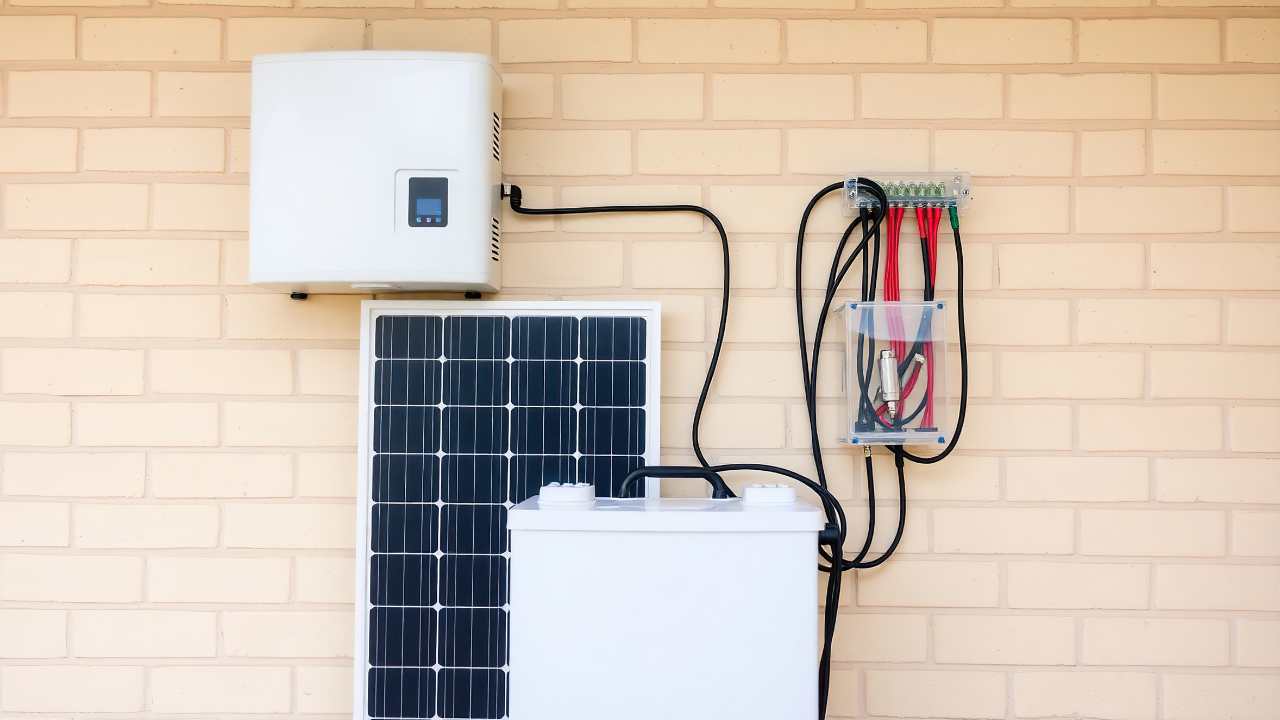
Thinking about how to use your extra solar energy more efficiently? Many homeowners find themselves comparing Solar Batteries vs Power Diverters. Both offer smart ways to use excess electricity generated by your panels, but they work in very different ways.
Whether you’re aiming to store power for later or heat water more efficiently, understanding the key differences can help you make the right choice.
In this blog, we’ll break down how each option works, their pros and cons, and which one might be the best fit for your home.
Let’s start!
How Can You Understand Differences Between Solar Batteries vs Power Diverters?
If you’ve ever wondered what to do with the extra electricity your solar panels produce, you’re not alone. Two popular options are solar batteries and power diverters—but they work in very different ways. Let’s break them down simply.
What Are Solar Batteries?

Solar batteries are large storage units that keep any unused electricity generated by your solar panels. Instead of sending the extra energy to the grid, it’s stored for later use like running appliances at night or charging your electric car when the sun’s not out. This helps you make the most of your solar setup, especially when demand is high.
What Is a Solar Power Diverter?
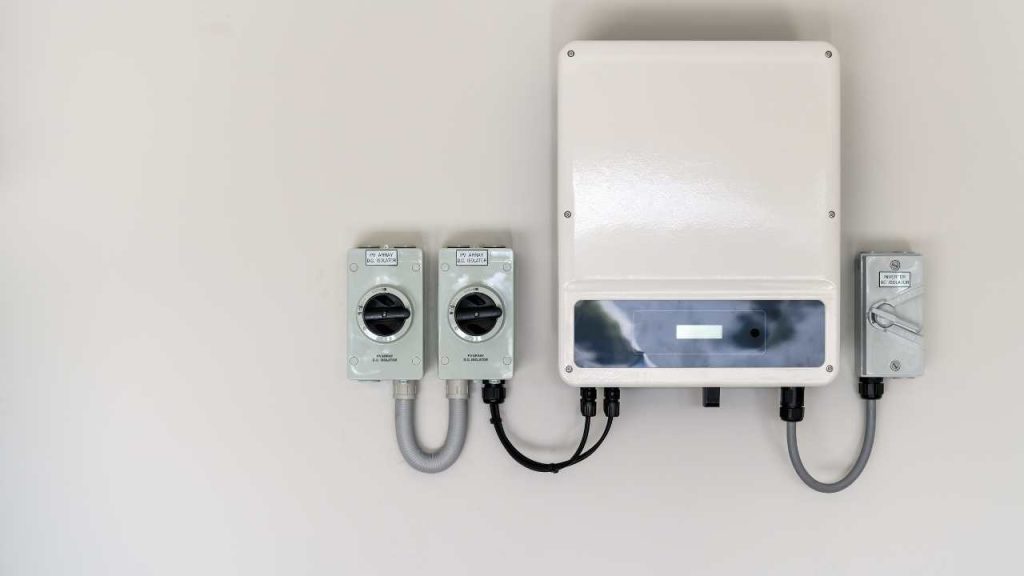
A solar power diverter, also known as an immersion diverter, sends extra solar energy to your hot water tank. It checks if your home isn’t using all the electricity being produced, and if there’s any left over, it reroutes it to heat water rather than exporting it back to the grid. This is a simple way to cut down on your energy bills without needing a battery system.
What Are The Benefits of Solar Batteries and Power Diverters?
Both options offer strong advantages depending on your needs, whether you want flexible energy use or a cost-effective way to heat water.
Solar batteries are a powerful addition to any home with solar panels, offering stored electricity for use whenever it’s needed, whether it’s powering your home in the evening or charging an electric vehicle overnight.
They also give you the option to draw power from the grid at cheaper night-time rates, which can help lower energy bills. In the event of a power cut, they act as a reliable backup, giving peace of mind.
Plus, they come with long-term support and are scalable, meaning you can expand your system as your energy needs grow.

On the other hand, a power diverter is ideal for those who want a simpler, more budget-friendly solution. It allows you to make use of surplus solar energy without the high upfront cost of a battery.
With a diverter, your hot water tank can be topped up automatically using free solar power, cutting down on gas, oil, or grid electricity used for heating. It’s a no-fuss option that’s easy to install and requires very little maintenance, making it a popular choice for households wanting immediate savings.
What Are The Drawbacks to Keep in Mind?
While both systems have their perks, it’s worth understanding the potential downsides before making a decision.
Solar batteries, although highly useful, can come with a hefty price tag. The upfront cost is usually much higher than other solar add-ons, which can put some homeowners off. And like any battery, their performance can decline over time, meaning that after years of use, they may not store energy as efficiently as they once did. This natural wear and tear might lead to replacement costs down the line, especially for those planning long-term use.
Power diverters, on the other hand, are limited in what they offer. Their main purpose is to heat water, so you won’t benefit from the flexibility that comes with energy storage. If your household doesn’t use much hot water, the value of the diverter becomes questionable. Additionally, these devices often come with a shorter warranty period, which could mean less long-term coverage if anything goes wrong.
Conclusion
Both solar batteries and power diverters offer smart ways to maximise your solar energy but they serve different purposes. Solar batteries provide flexible energy storage and backup, while power diverters offer a low-cost solution for heating water using surplus electricity. Your choice will depend on your energy usage, budget, and long-term goals.
If you’re still unsure which option suits your home best, our team at My Power is here to help. Get in touch today for expert advice and customised solar solutions that work for you.