Rising electricity costs are putting increasing pressure on households, leaving many people searching for practical ways to reduce their monthly bills. Many homeowners face the same challenge and often feel confused about the best place to begin. Small increases can turn into significant financial strain, and delaying action rarely improves the situation.
This is why understanding microgeneration and feed-in tariffs explained becomes so valuable. Renewable options like solar PV offer long-term savings, improved efficiency, and greater energy independence. In Ireland, having clear guidance is essential when planning the switch to cleaner power.
In this blog, we will explore how microgeneration works, the benefits of feed-in tariffs, and how to make smarter energy decisions.
What is Microgeneration?
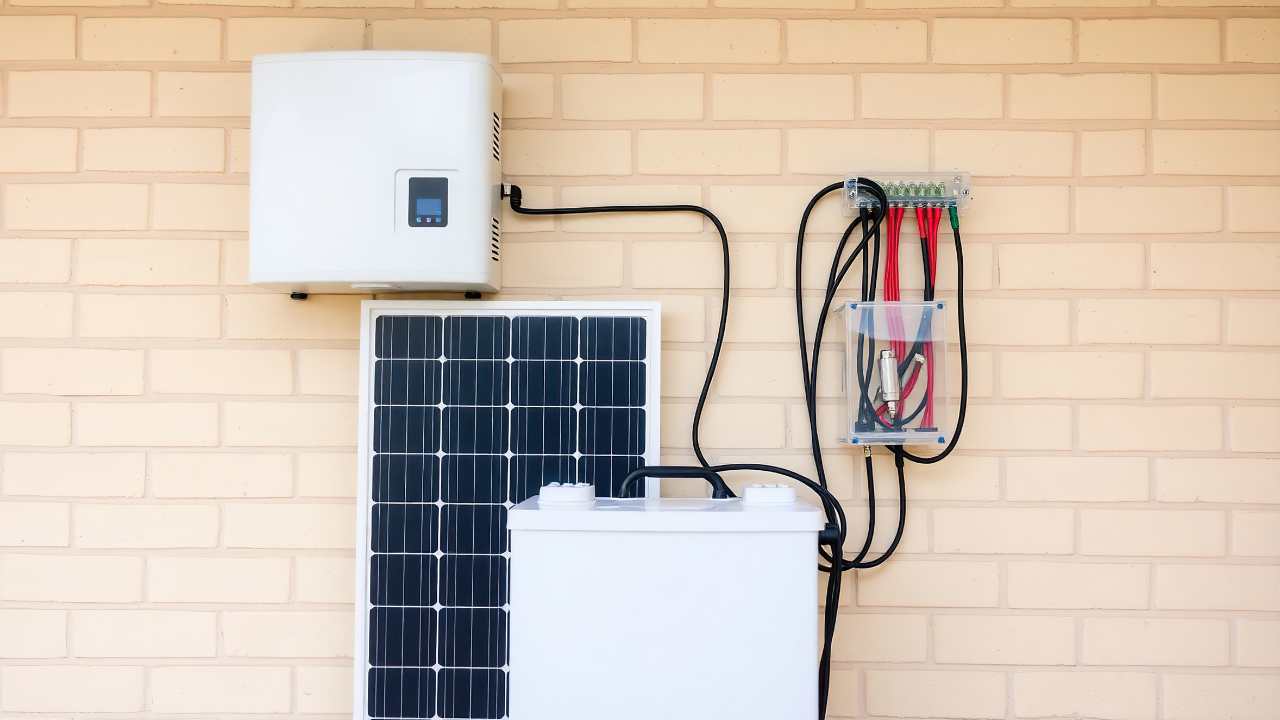
Microgeneration is the small-scale production of electricity using renewable energy sources installed directly on homes, farms, or business premises. Instead of relying solely on power from the national grid, homeowners can generate clean electricity that can be:
- Used immediately to power the property
- Exported back to the grid through an energy supplier
- Stored in a battery system for later use
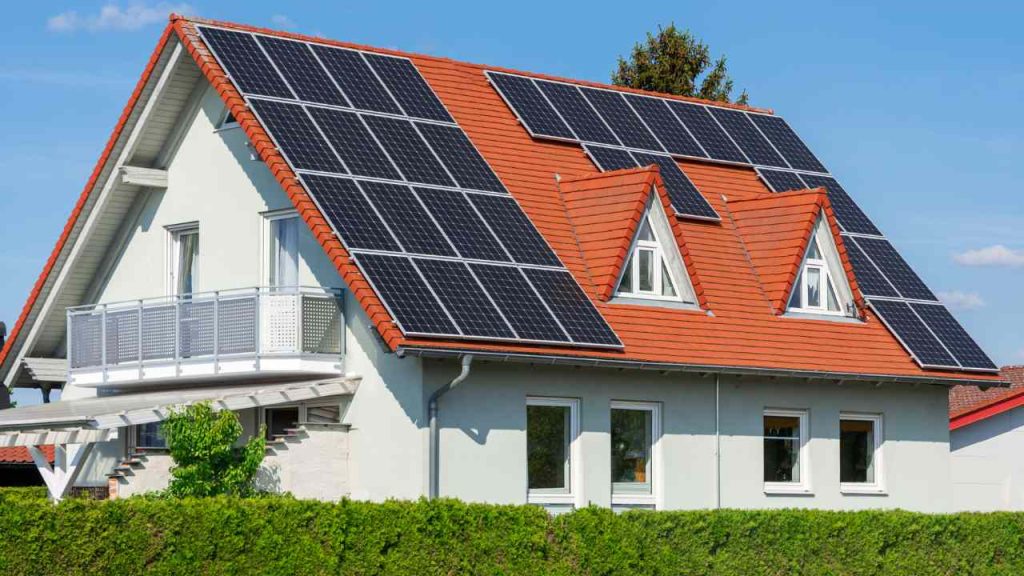
There are several types of microgeneration technologies that capture energy from natural sources like sunlight, wind, and water. The most common option for Irish homes is a solar PV system because it provides the highest level of usable electricity.
Here are the main options:
Solar PV System
A system that converts daylight into usable electricity through solar panels and an inverter.
Thermal System
A setup that extracts renewable heat from the air or ground to warm the home and provide hot water.
Micro Wind System
A small turbine is installed in open areas to generate electricity from consistent wind speeds.
Micro Hydro System
A solution that uses flowing water through a turbine or waterwheel to create continuous electricity.
Micro Combined Heat and Power (CHP)
A unit that produces heat for the property while also generating electricity from the same fuel source.
What Is the Microgeneration Support Scheme?

The Micro-generation Support Scheme (MSS) is a government incentive that allows homeowners, farms, and businesses to sell the excess renewable electricity they generate back to the grid.
This gives microgenerators an opportunity to reduce energy costs while earning payments for any surplus power they produce. The Clean Export Guarantee (CEG), introduced in February 2022, ensures energy suppliers pay for all exported electricity.
Before the CEG, households with solar panels sent unused electricity back to the grid without receiving any financial return. Buy-back rates paid by energy suppliers are known as feed-in tariffs.
Who’s eligible for the microgeneration scheme?
To be eligible for feed-in tariffs in Ireland, you must:
- Have a solar PV system, or another approved renewable energy generator, installed on your property
- Be registered with your energy supplier and agree to their terms and conditions
Do you pay tax on microgeneration payments?
Yes, but small-scale generators receive a tax exemption of €400 per year on any income made. The tax exemption rate will be in place until 31 December 2030.
What is a Feed-In Tariff and How Do Feed-In Tariffs Work?
A feed-in tariff is a payment offered to homeowners or businesses that generate renewable electricity and export any unused power back to the national grid. To qualify, you must have a renewable microgenerator installed on your property.
Solar panels are the most common choice, as they tend to produce enough excess electricity to export. Other renewable sources can also qualify if they generate sufficient surplus energy. Under the Clean Export Guarantee (CEG), eligible microgenerators receive payment from their electricity supplier for every unit of electricity exported.
Each supplier sets their own tariff rate, which determines how much you earn. Before payments can begin, ESB Networks must be notified so they can record your exported electricity. Your installer normally completes this paperwork, but if you need to submit it afterwards, you must obtain an NC6 form.
How Much Can You Earn?
The amount you can earn from microgeneration depends on the size of your solar PV system and the volume of surplus electricity you export to the grid. Most residential systems export between 10% and 40% of the energy they generate, resulting in average annual credits of around €100 to €300 for a typical household.
A standard three-bedroom home can achieve an estimated return of about 14.8%, which can shorten the overall payback period of a solar panel installation by approximately nine months.
What Are Ireland’s Best Microgeneration Rates?
Ireland’s feed-in tariff rates vary across suppliers, and selecting the right one determines how much you earn from exporting surplus electricity. Seven suppliers currently participate in the Microgeneration Support Scheme (MSS). You must be with the same provider for both your electricity supply and export payments.

Most suppliers automatically manage VAT on microgeneration income. These energy suppliers offer feed-in tariffs in Ireland:
| Supplier | Plan | Rate per kWh* | Payment Method |
| Bord Gáis | Microgen Export Plan | 18.5c | Quarterly credit |
| Electric Ireland | – | 19.5c | Credit as per billing cycle |
| Energia | – | 18.5c | Credit as per billing cycle |
| Flogas | Export Tariff | 18.5c | Credit every two months |
| Pinergy | Pinergy MicroGen | 25.0c (inc VAT) | Monthly credit |
| Prepay Power | – | 15.89c (inc VAT) | Twice yearly credit |
| SSE Airtricity | Standard Clean Export | 19.5c | Quarterly credit |
| SSE Airtricity | Active8 Premium Export** | 32.0c Year 1 / 27.0c Year 2 | Quarterly credit |
| Yuno Energy | – | 15.89c (inc VAT) | Twice yearly credit |
Do You Need a Smart Meter to Get a Feed-In Tariff?
A smart meter is beneficial because it measures the exact amount of surplus electricity your system exports to the grid, allowing your supplier to calculate your payment accurately. If you do not yet have a smart meter, your export payments will be based on the deemed export quantity instead. ESB Networks is currently rolling out smart meters across Ireland as part of the National Smart Metering Programme. Some energy suppliers require eligible customers to have a smart meter installed before they can receive feed-in tariff payments.
What Is the Deemed Export Quantity?
The deemed export quantity is an estimated figure used to calculate payments for customers who are not yet eligible for a smart meter under ESB Networks’ National Smart Metering Programme. Instead of measuring actual export levels, the calculation estimates how much electricity the customer is likely to export.
It uses the following formula:
Deemed Export Quantity = MEC × Capacity Factor × Export Factor × Provision Interval
- MEC: Taken from the NC6 form submitted to ESB Networks
- Capacity Factor: Set at 9.7% by the CRU
- Export Factor: Set at 35% by the CRU
- Provision Interval: Accounts for seasonal and daily variations in solar generation
Feed-In Tariffs Versus Battery Storage
The value of choosing battery storage over feed-in tariff payments depends on several factors, including the size of your solar PV system, how much electricity it generates, and the tariff rate offered by your supplier.
Before the Clean Export Guarantee (CEG) launched in 2022, homeowners exported surplus energy to the grid without receiving any payment, making battery storage a financially sensible option.
However, modern solar batteries remain expensive and can add around €2,500 to installation costs. Now that households can earn money for exported electricity, the need to invest in a storage battery has become less essential for many properties.
Will a Storage Battery Reduce Your Feed-in Payments?
Installing a battery may lower the amount of surplus electricity you export to the grid, which can reduce your feed-in tariff payments. However, a battery can charge at night when electricity is cheaper, helping you avoid purchasing power at expensive peak rates. Retrofitting a battery does not automatically affect your eligibility for export payments, but choosing the right setup is important.
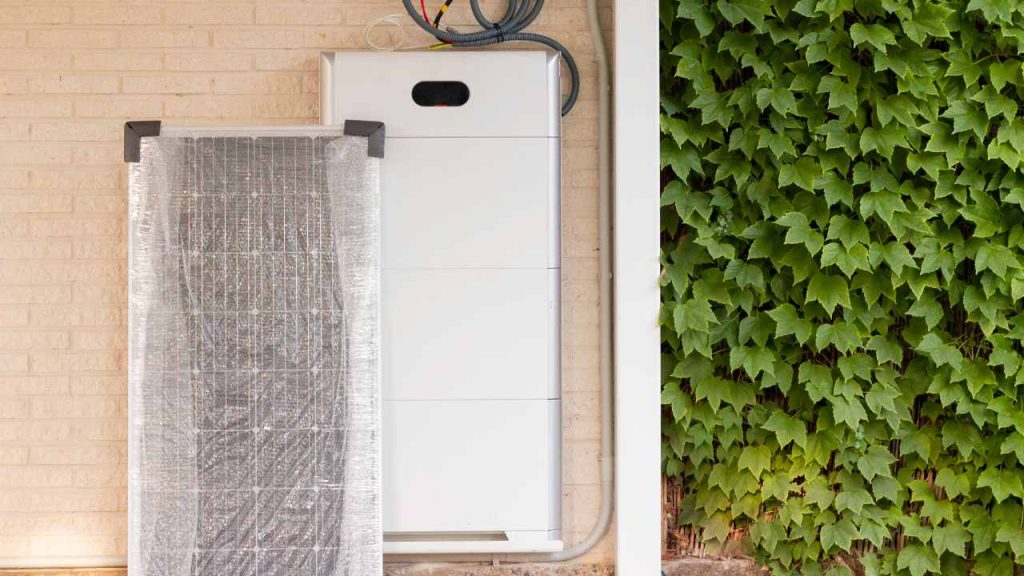
DC-coupled battery systems generally support exporting more efficiently. With current electricity prices, charging a battery at night and using the stored energy later can sometimes deliver greater savings than exporting it, but the battery cost and your energy usage should be considered carefully.
Are Feed-in Tariffs Worth It?
Whether a feed-in tariff is worthwhile depends on your household’s energy use and the size of your solar PV system. The scheme offers several benefits, but there are also some drawbacks to consider before deciding. Understanding both sides will help you determine if a feed-in tariff is right for your home.
Here are some pros and cons of feed-in tariffs in Ireland:
Pros
- You can earn extra income and shorten the payback period by exporting unused electricity
- You can lower your electricity bills by relying less on grid power
- You can reduce your carbon footprint by generating clean, renewable energy
- You can gain better insight into your energy habits using smart meter data
Cons
- Upfront solar installation costs can be significant for some households
- You must buy and export electricity through the same supplier or switch to one that supports tariffs
- Tariff rates can change due to supplier pricing or government policy updates
- In some cases, battery storage or time-of-use plans may offer better long-term value
Conclusion
Microgeneration and feed-in tariffs offer Irish homeowners a practical way to lower electricity bills, generate clean energy, and earn money from surplus power. From understanding how microgeneration works to comparing tariff rates, assessing battery storage, and evaluating potential earnings, this guide covers everything needed to make an informed decision. With the right setup, households can enhance energy independence, shorten payback periods, and contribute to a more sustainable future.
If you’re ready to start benefiting from renewable energy, My Power can help you design and install the ideal solar PV system for your home. Contact My Power today to begin your microgeneration journey.