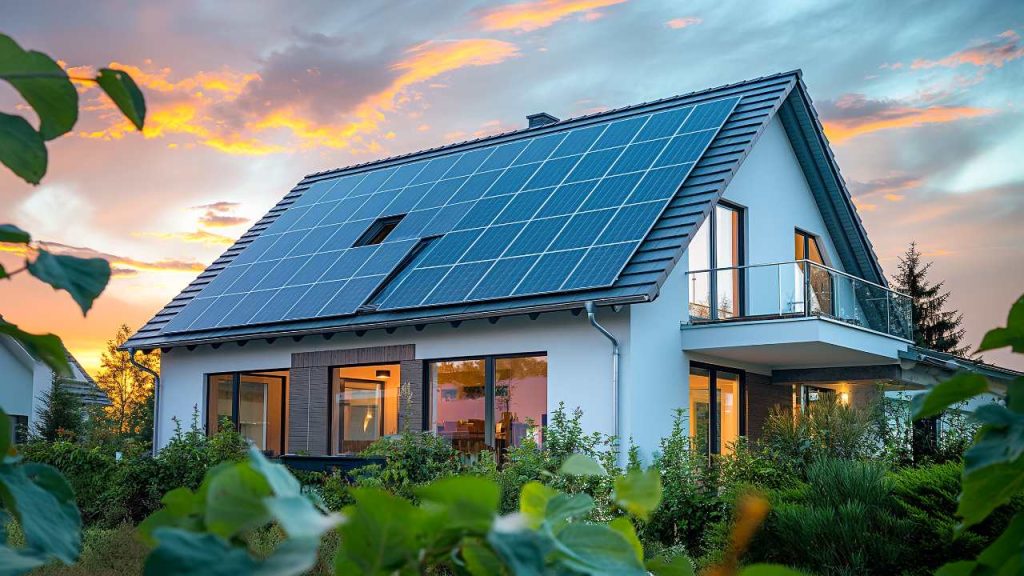
Knowing how many solar panels you need to heat a house is an important step for anyone planning to switch to renewable energy. The right system size depends on your home’s electricity use, roof conditions and how much of your heating you want solar to support.
By understanding these factors early on, you can make smarter decisions about panel numbers and overall system design. Many homeowners are surprised by how effective modern solar panels can be with the right setup.
With a clear estimate, it becomes much easier to plan your solar installation confidently. In this blog, we will help you learn about solar panels for house types, factors that affect the number of solar and how to estimate this number.
Let’s start!
How Much Solar Power Different Homes Need?
Household size and yearly electricity use play a big part in deciding the right system, helping you understand how many solar panels to heat a house in a practical way.
Small Home 1–2 Bedroom Flat (~2,900 kWh/yr)
A smaller flat using roughly 2,900 kWh a year will usually need 7–8 modern solar panels to cover much of its electricity demand. This setup works well for lower-consumption homes with steady daytime usage.
With good roof sunlight, the system can noticeably cut energy bills.
Medium Home 3 Bedroom House (~4,200 kWh/yr)
A typical family home using around 4,200 kWh yearly generally requires 10–12 solar panels. This size provides a strong balance of output and affordability, helping most households power everyday appliances.
With efficient panels, it can reduce a large share of annual energy use.
Large Home 4+ Bedroom House (~5,400 kWh/yr)
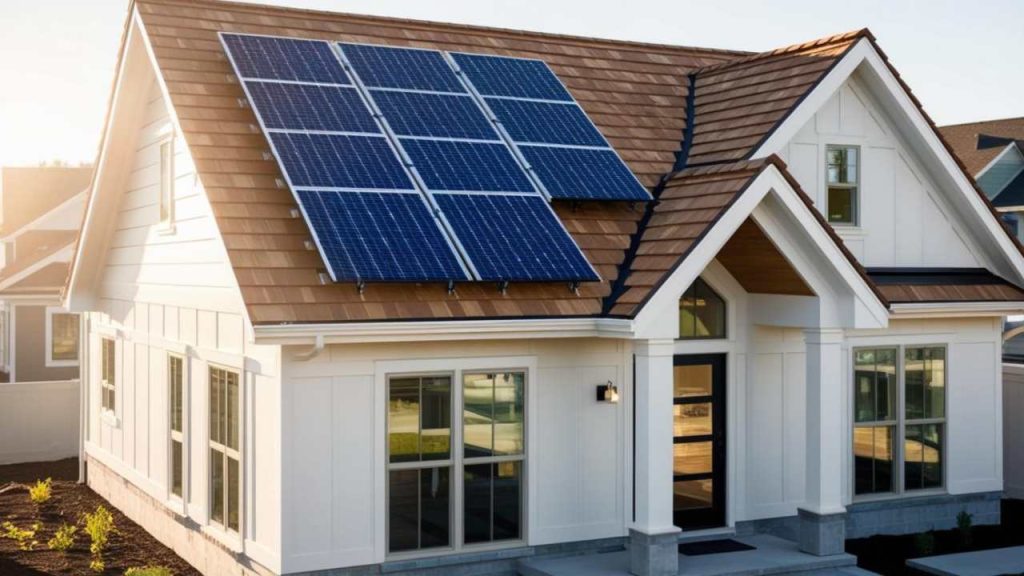
Bigger households with yearly usage near 5,400 kWh often need 13–15 solar panels for meaningful coverage. These homes usually run more appliances and heating systems, so a larger array ensures better long-term savings.
Strong sunlight and good roof space make this system even more effective.
How Many Solar Panels Are Needed to Heat a House?
Heating a home consumes more energy than operating appliances so the quantity of solar panels needed is primarily determined by your heating system and total energy consumption.
Electric heating generally consumes between 8,000 and 12,000 kWh resulting in the necessity for a bigger solar panel system compared to a typical household arrangement.
Most Irish homes would need 10 to 12 solar panels to fully support electric heating, depending on panel efficiency, roof size, and how much sunlight the property receives. This estimate offers a starting point, but an installer can provide a precise calculation based on your exact heating load and home layout.
What Are The Key Factors That Decide the Number of Solar Panels You’ll Need To Heat a House?
The right system depends on your home’s energy habits, roof conditions and how much power you want to generate, all of which help you understand how many solar panels to heat a house effectively.
Your Annual Energy Use
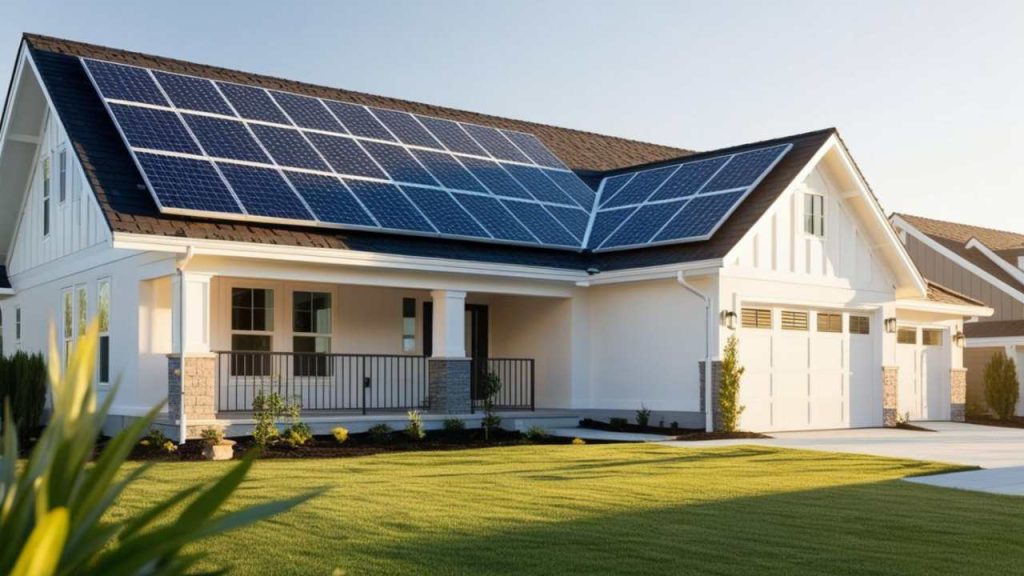
The amount of electricity your home consumes each year plays the biggest role in sizing your system. Checking your latest bill will give you a clear idea of your kWh usage.
Homes with EV chargers, heat pumps or people working from home often use more power. Higher consumption means you’ll need a larger array to produce enough electricity.
How Much Sunlight Your Area Receives
Even though solar panels work in cloudy weather, some regions naturally get more sunlight than others. Areas with lower sunshine hours may need slightly more panels to achieve the same output.
Ireland still offers strong solar potential overall, with hundreds of usable sun hours each year. Good exposure throughout the day improves efficiency noticeably.
Roof Space and Direction
Your roof needs enough space to hold the required number of panels, and a south-facing direction gives the best performance. Panels also need to be spaced safely and mounted at the right angle.
Since each panel takes up physical room, larger homes may need extra roof sections or ground-mounted options. Proper orientation helps maximise daily energy production.
Adding a Battery for Storage
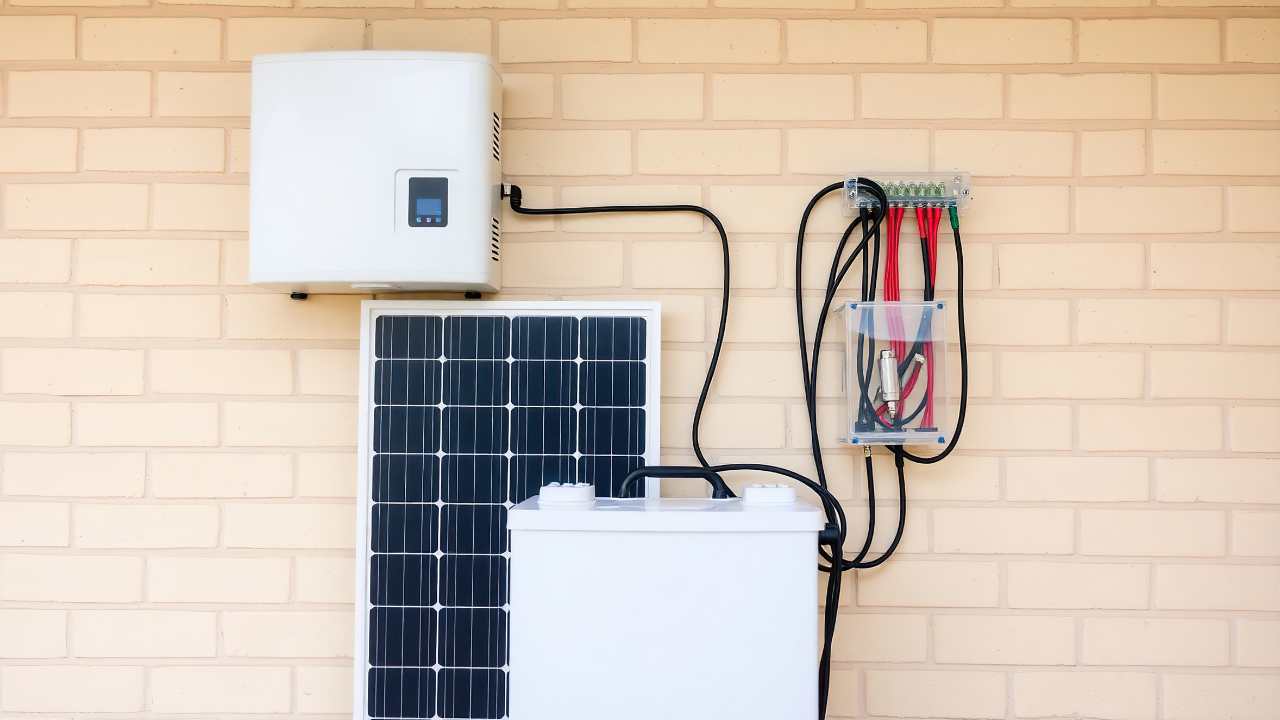
A battery system allows you to store any excess power your panels generate during the day. This stored energy can then be used in the evening or during darker winter months.
It also reduces your reliance on the grid and boosts long-term savings. Homes aiming for higher independence often benefit from including a battery in their setup.
Conclusion
Working out how many solar panels to heat a house depends on your energy usage, roof space, local sunlight and whether you plan to add battery storage. By understanding these factors, you can estimate the right system size and get a clearer idea of how many panels your home will need. Larger households and higher electricity demands naturally require bigger systems, while smaller properties can often achieve strong results with fewer panels.
With the right setup, solar can significantly lower your bills and make your home more energy-efficient. If you’re ready to find the ideal system for your property, contact My Power today for expert advice and a customised solar solution.