Solar power is becoming one of the most popular ways to produce clean energy for homes and businesses. More people are turning to solar panels as a way to cut energy bills and reduce reliance on traditional electricity. While the advantages of solar are well known, many people are unsure about how the panels themselves actually work. In this blog, we explain the process of how do solar power panels work in ireland and how sunlight is turned into electricity that can be used around the home.
What Is a Solar Photovoltaic Cell?
At the core of each solar panel is the solar cell, the building block of solar PV technology. These cells are usually made from silicon, a semiconductor material that reacts when exposed to sunlight.
When sunlight hits the semiconductor, electrons become energised and start to move. Their movement creates an electric current, which passes through thin metallic contacts on the surface of the cell.
Multiple solar cells are connected in series to create a solar module. A modern residential panel typically has 108 cells, divided into two equal sections of 54, allowing it to generate more electricity for household use.
How Do Solar Power Panels Work?

Solar panels may look like flat glass sheets, but inside them is a carefully designed system that converts sunlight into electricity. When the sun shines on the panels, the cells inside capture light and release energy as moving electrons.
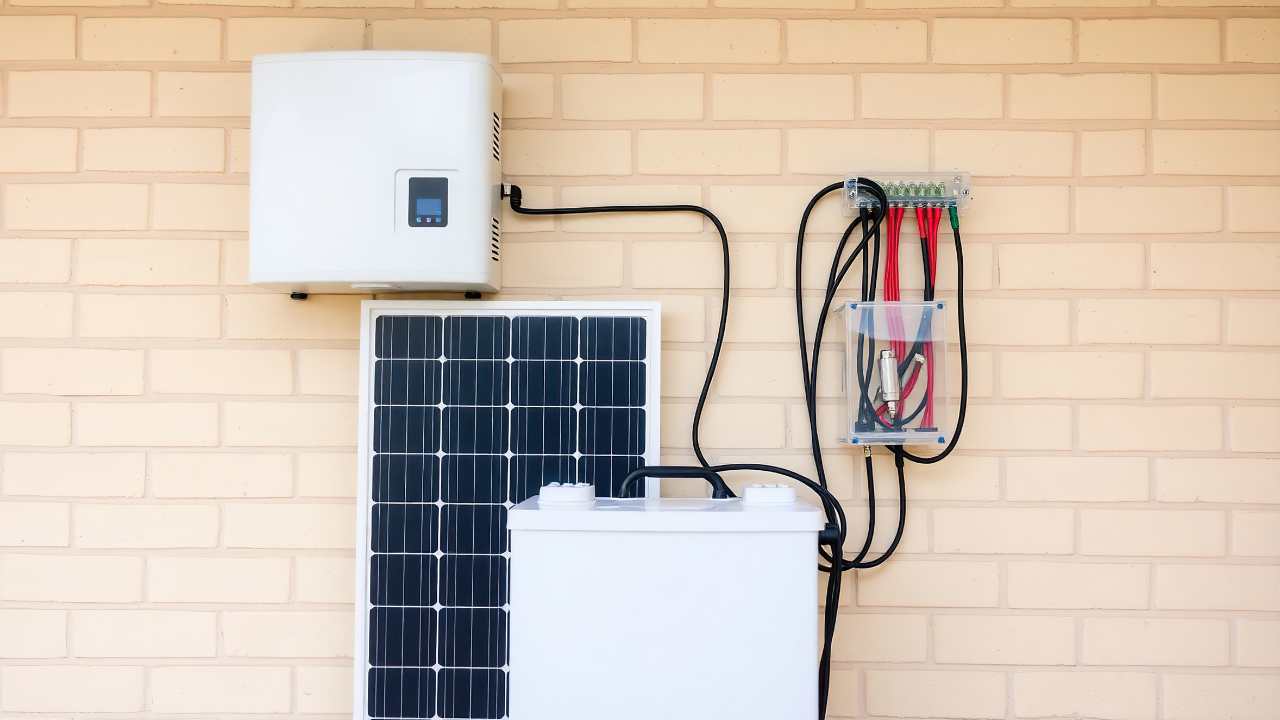
This creates Direct Current (DC), which cannot power most household appliances on its own. To make the electricity usable, it is sent through an inverter. The inverter changes DC into Alternating Current (AC), which is the type of electricity used in homes and businesses.
It also regulates the flow so the power remains stable and safe for everyday use. To see how this process begins, we need to look more closely at the part of the panel that makes it all possible: the solar photovoltaic cell.
How to Measure the Power Generation of Solar Panels?
The power output of solar panels is not always the same, as it depends on several key factors. These include the design of the panel, the amount of sunlight it receives, and even the temperature of the cells. Let’s look at the main elements that affect how much electricity can be produced.
Solar Panel Efficiency
The efficiency of a solar panel shows how much of the sunlight that falls on it can be turned into electricity. This depends on the material used, usually silicon, and the way the panel is built. Higher efficiency means more power is generated from the same amount of sunlight.
Size of the Solar Panel

The size of the panel also plays an important role. A larger panel has more solar cells, so it can produce more electricity. For example, panels used in homes are usually around 1.5 to 2 square metres, while those designed for commercial use can be up to 2.75 square metres.
Hours of Sunlight
The number of hours of sunlight a panel receives each day directly affects how much electricity it produces. This will change with the seasons and can also vary depending on where you live in the country. Longer summer days naturally give more output than shorter winter days.
Shading of Panels
If a panel is shaded by trees, nearby buildings, or other obstacles, the amount of electricity it can produce will drop. Even a small amount of shading can lower the efficiency of the system, especially if panels are linked together in series.
Solar Cell Temperature
Temperature also affects performance. While solar panels need sunlight, they do not perform well when they get too hot. Once the cells reach above 25℃, their efficiency begins to fall, which can reduce the amount of electricity produced on very warm days.
How to Maximise Solar Power Output In Ireland?

Solar panels can perform differently depending on how they are chosen and installed. To make sure you get the best results, it’s important to think about the quality of the panels, the way they are placed on the roof, and the conditions around them. Here are the main points to consider.
Use High Quality Panels
Panels that are built to a higher standard usually cost more, but they also tend to be more efficient. This means they can produce more electricity over their lifetime, helping you make bigger savings in the long run.
Choose the Right Roof Orientation
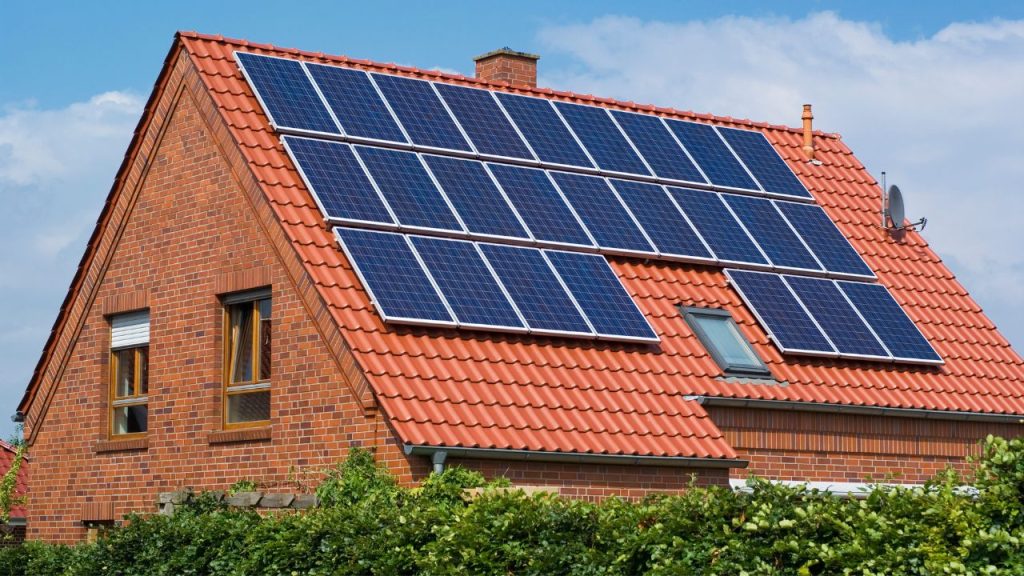
The direction your roof faces has a big effect on how much power your panels can generate. In Ireland, a south-facing roof gives the best results, but if that is not possible, an east-west set up is the next best option.
Avoid Shading the Panels
Shade from trees, chimneys, or nearby buildings can reduce the amount of power your system produces. If panels are shaded for part of the day, their overall performance will fall, and this can affect the whole system if the panels are linked in series.
Consider Batteries and Professional Advice
A skilled installer can advise on the best layout for your roof so that your system works at its highest level. Adding a solar battery can also help you make better use of the electricity you produce, by storing excess energy to use later instead of sending it back to the grid.
Conclusion
Solar panels may seem complex, but their role is straightforward such as they capture sunlight and turn it into electricity that can be used around the home. Their performance depends on panel quality, size, roof position, and local conditions. But with the right design they can deliver reliable power and long-term savings.
If you want expert guidance on understanding how solar panels work and the best way to make them part of your home, My Power is here to assist. Contact our team today for friendly advice and support on making the switch to solar energy.