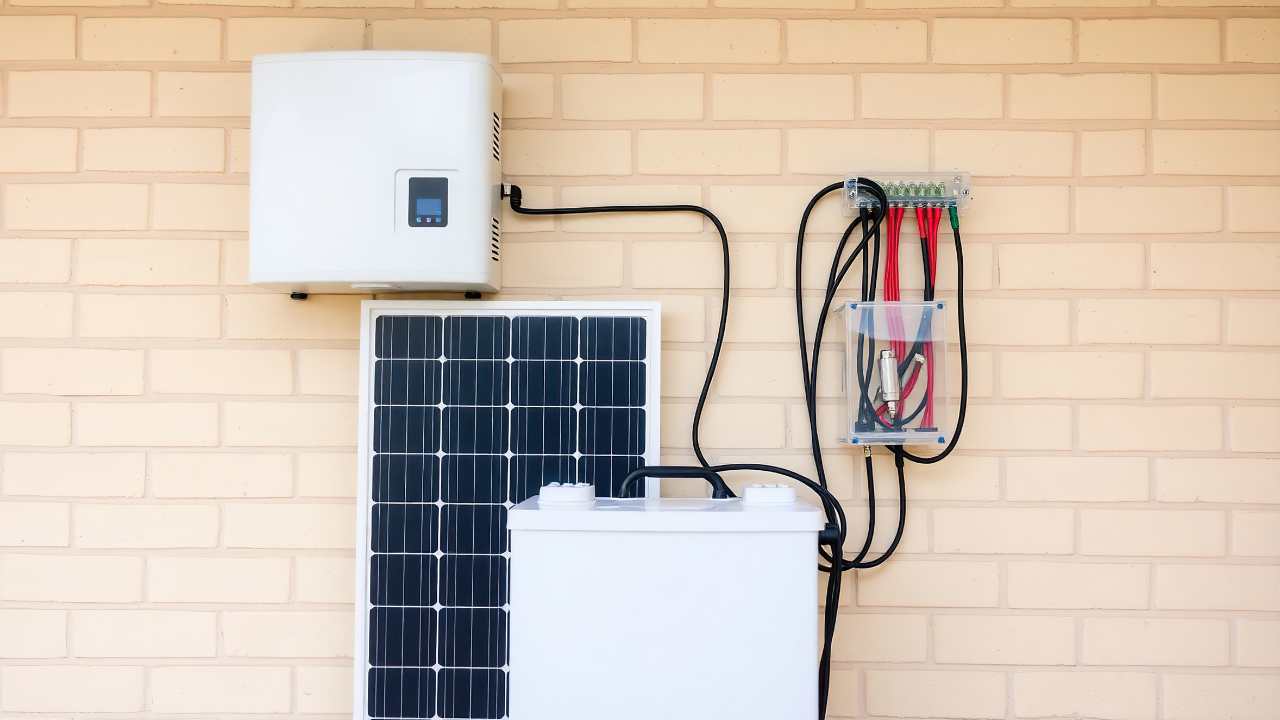
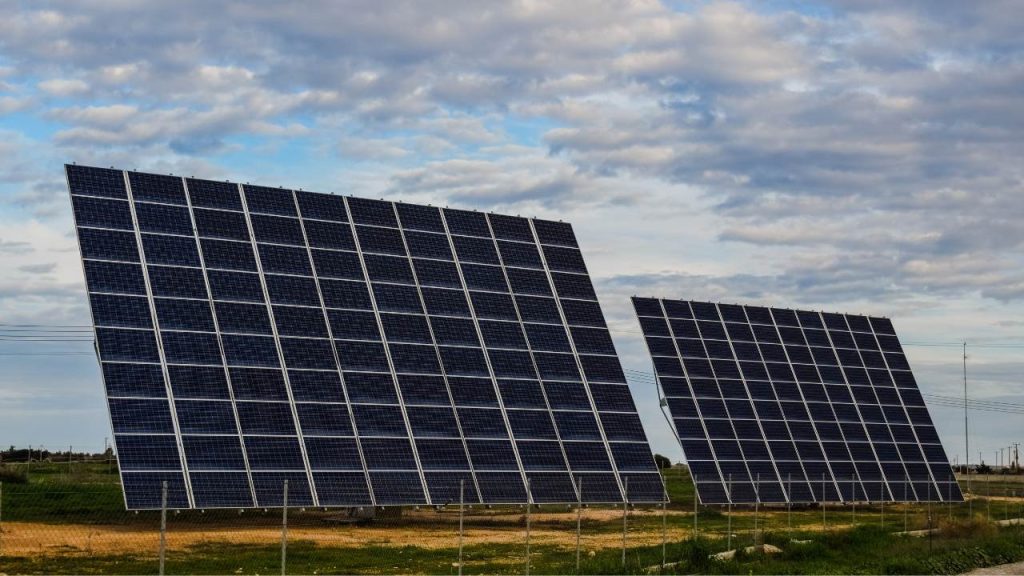
Have you ever wondered why your solar panels sometimes fall short of their expected output? Do you know which elements in Ireland most influence a PV system’s performance?
Limited sunlight, temperature swings, and panel aging all alter how much energy you get. Likewise, where you point your panels, the angle you set them at, and the quality of your inverter also play key roles. Regular cleaning and checks also help to keep performance steady throughout the year.
In this blog we will explore the main factors that can affect your solar PV efficiency. Let’s take a closer look at each of them.
How Is Solar PV Efficiency Calculated?
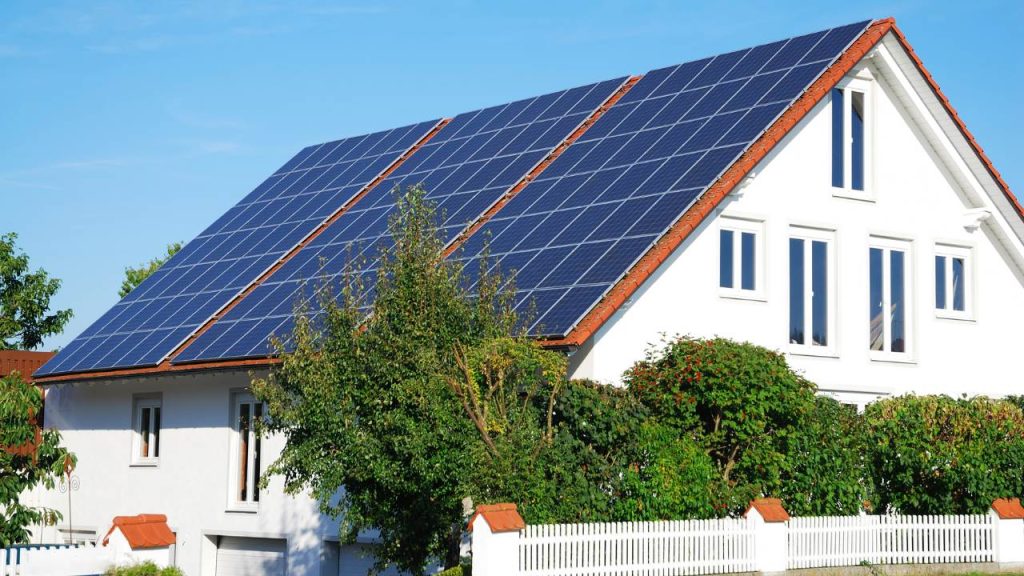
To work out a panel’s efficiency, compare its actual power output with the total solar energy falling on its surface. Start by multiplying the solar irradiance in watts per square metre by the panel’s area in square metres to find the incoming energy. Next, divide the panel’s rated wattage by that number and multiply by 100 to get a percentage. For example, if 1 000 W/m² of sunlight strikes 2 m² of panels, that equals 2 000 W of solar energy. A panel rated at 400 W would therefore achieve 400 ÷ 2 000 = 0.2, or 20 percent efficiency.
Manufacturers test panels under fixed conditions of light intensity and temperature, providing a standard reference. In real life, however, changes in temperature, ageing and other factors will alter performance. Typically, panels lose about 0.8 percent of their output each year.
7 Factors That Can Affect Your Solar PV Efficiency
Solar panels are a long-term investment, but their performance depends on more than just brand or power rating. Knowing these key factors will help you boost energy output and keep your system working well for years.
Intensity of the Sun
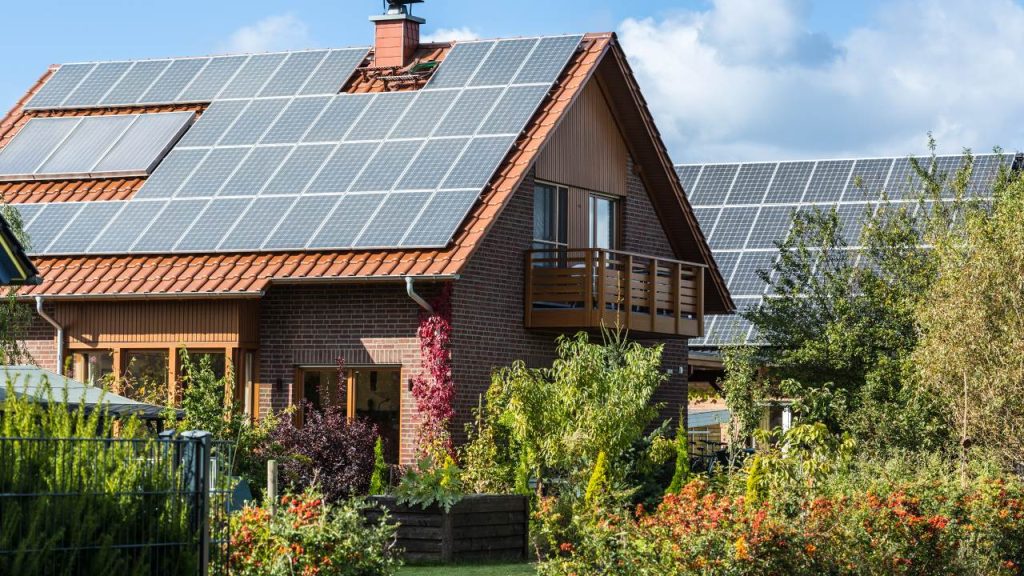
The amount of sunlight reaching your panels decides how much electricity they can make. In Ireland, spring and summer bring longer days with stronger light for the best yields. Even on grey days, modern panels still generate power, although at a lower level. If trees or buildings cast shade, performance may suffer.
Age of the Panels
Panels lose a small amount of efficiency each year, about 0.5 percent for good-quality models. After ten years, you can expect around 95 percent of the original output. Older systems may not use the latest technology, so they can fall behind newer models in performance.
Installation Quality
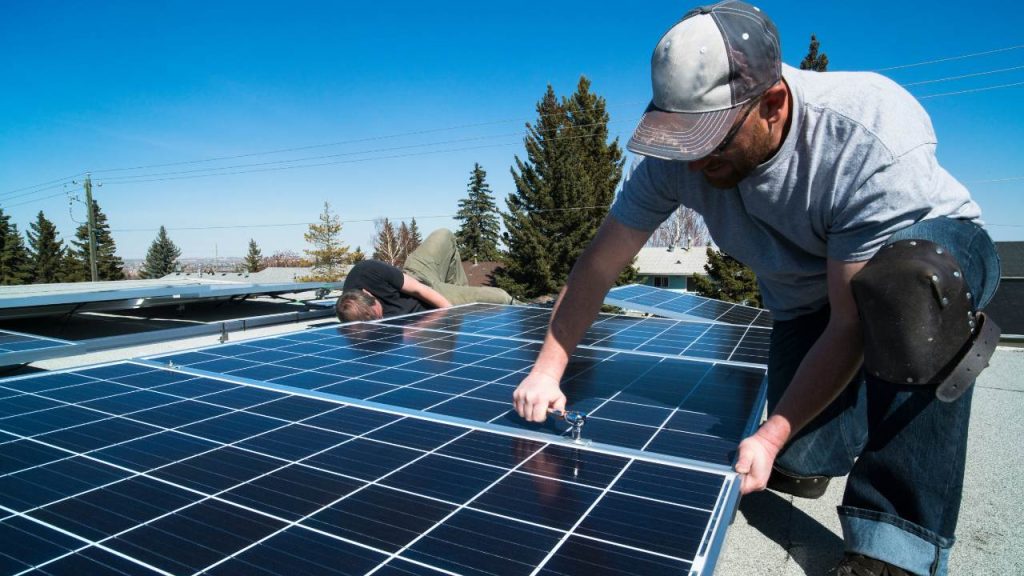
Mistakes during setup, such as incorrect alignment, poor wiring, or mismatched parts, can reduce output from the start. Hiring experienced installers means panels are placed correctly and connected properly, preventing losses and avoiding future electrical faults.
Weather Conditions
Sunny days deliver the highest output, but Ireland’s regular cloud cover still allows reliable power generation. Rain helps to clean panels and maintain performance, while extended grey periods will lower daily yields. A light breeze can cool panels and improve efficiency, though strong winds require secure fixtures.
Mounting Position
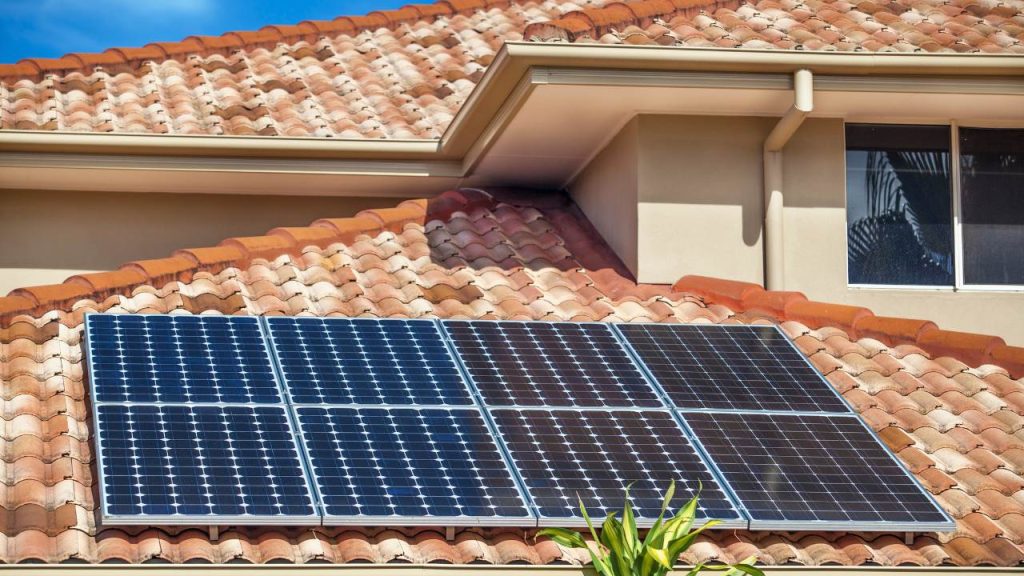
Where panels are fixed and at what angle has a big impact on energy capture. A south-facing roof tilted between 30 and 35 degrees is best for Ireland. If your roof faces east or west or has a very shallow or steep pitch, output may be lower. Sun-path tools can guide the right placement before installation.
Temperature Effects
Solar panels often work better when it is cooler. High heat raises resistance in the cells and lowers output, so Ireland’s mild weather is usually an advantage. In hotter areas, panels can lose up to 15 percent of their efficiency during peak summer heat, making a low temperature coefficient a useful feature.
Maintenance of Solar Panels
Keeping panels clean and checking them regularly is vital. Dirt, leaves and bird droppings can block light and reduce output, so wash panels gently every few months. An annual inspection for loose connections, cracks or corrosion will catch small issues early and keep your system producing reliably.
Conclusion!
Solar PV output in Ireland is shaped by weather conditions, the ageing and alignment of panels, shading impacts and inverter performance, as well as regular cleaning and inspections. Keeping panels free of dirt and checking for wear helps maintain steady energy production over the years.
If you’d like expert support with any of these factors, MY Power can provide a personalised assessment and hands-on assistance. Their team will review your system, suggest improvements in siting, equipment choice and upkeep, and help you make the most of your solar investment. Contact MY Power today to find out how they can boost your PV efficiency.