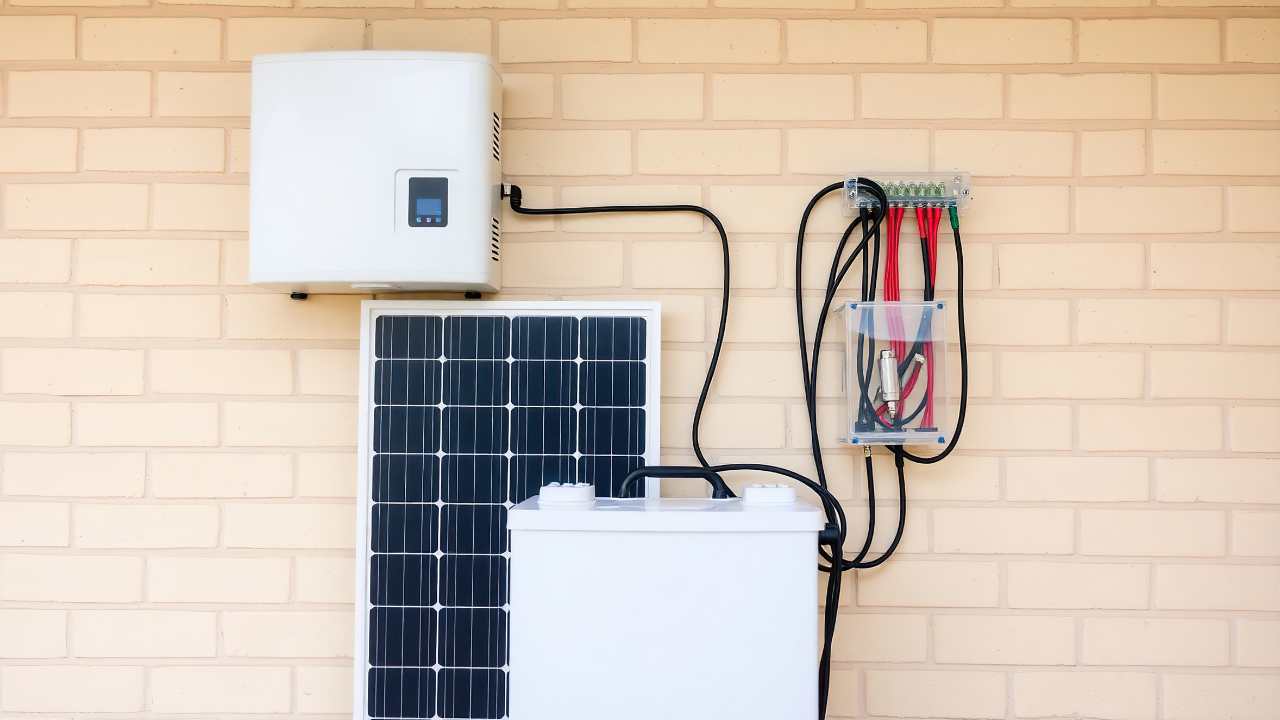
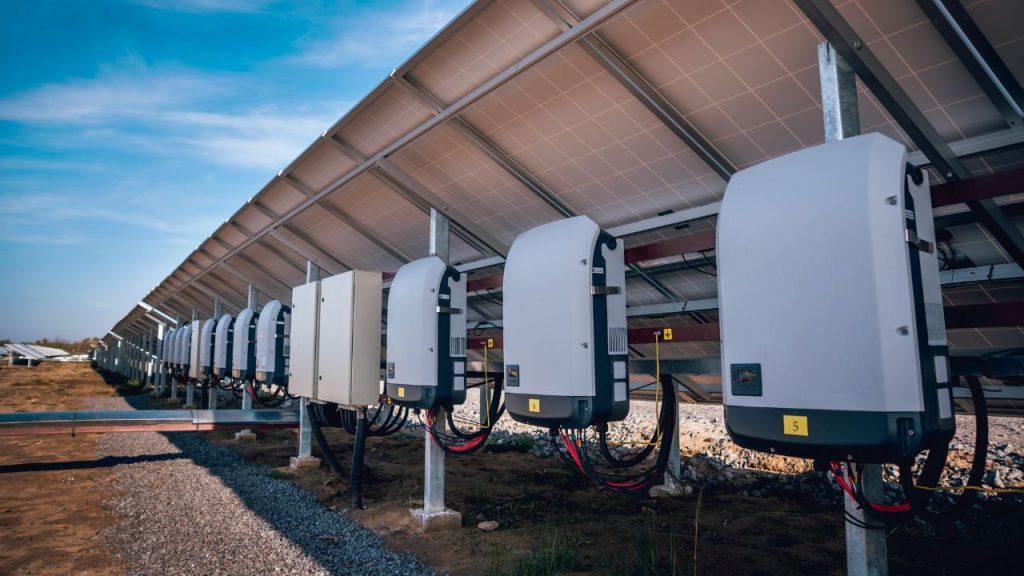
Choosing the right inverter is one of the most important parts of setting up a solar panel system. Many people ask the question, what size solar inverter do I need? The answer depends on two main things: how much power your solar panels produce and how much electricity your home uses.
If your inverter is too small, it won’t capture all the energy from your panels. If it’s too large, it may not run at its best efficiency. In this guide, we’ll explain the factors that affect inverter size, how to balance your system with your household demand, and what else to consider when choosing the right model.
How To Know What Size Solar Inverter Do I Need?
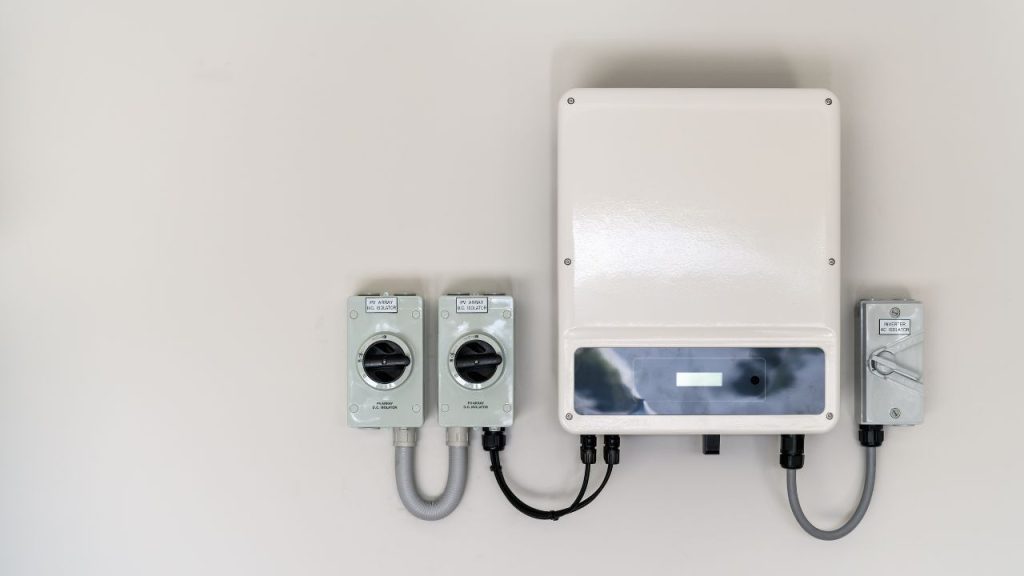
There are two aspects to calculating the size of the inverter you need. Firstly, it must be able to handle the power being generated by the solar panels. It must also be able to output enough power to supply all of the appliances in your home.
Solar Power Input Requirements
Every solar inverter comes with technical limits for how much energy it can take in from your solar panels. The most important features to look at include:
- Maximum Power Point Tracking (MPPT): Adjusts voltage and current to match demand for the best efficiency.
- Maximum Input Voltage: The highest voltage the inverter can safely take in for short bursts.
- Rated Voltage: The steady level of voltage the inverter is built to handle long term.
- Start-Up Voltage: The minimum level needed from the panels for the inverter to switch on.
- Maximum PV Power: The largest solar system size (in kW or kWp) the inverter can support.
You will find these details on the datasheet for each inverter model. If your solar system is larger than the maximum PV power shown, you will need a more powerful inverter.
In real life, panels don’t often work at their absolute peak, so an inverter that is slightly smaller than your panel system may still be fine. However, inverters are most efficient when working close to their maximum capacity. Going too small could lead to energy loss and reduce efficiency.
It’s also important to check both the minimum and maximum input voltage. If your panels fall below the start-up voltage, the inverter won’t run. If you go above the maximum input voltage too often, the inverter’s lifespan could be reduced.
Meeting Your Home Power Demand
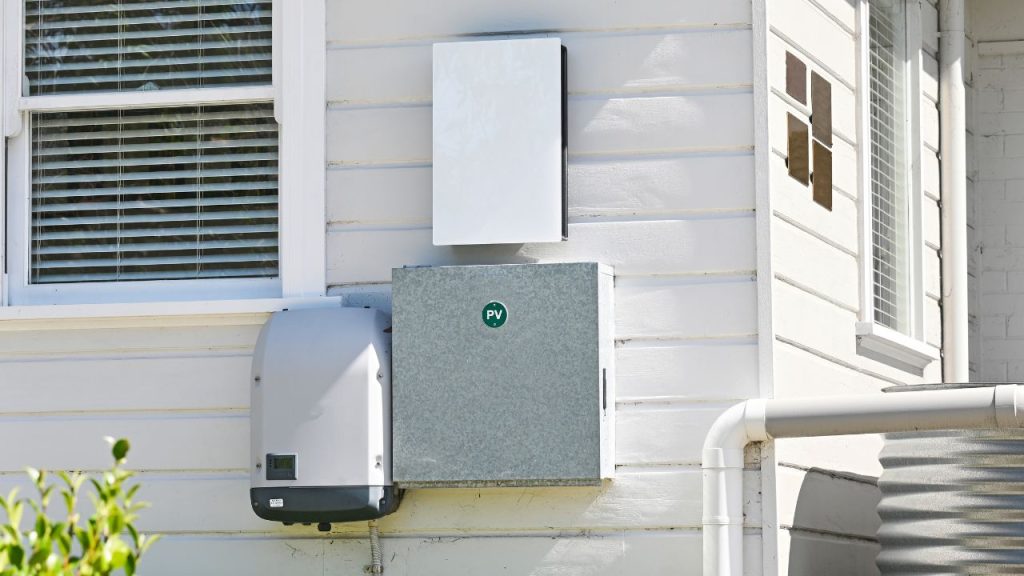
The second part of sizing your inverter is checking how much power your home needs. This can be done by adding up the wattage of all the appliances you expect to run at the same time.
For Example:
- Fridge: 550 watts
- Five LED lights: 250 watts (50 each)
- Electric heater: 1,000 watts
This gives a total of 1,700 watts.
But there’s more to think about. Many appliances use extra power when starting up – this is called a surge load. For instance, fridges, pumps, and some heaters draw more electricity for a few seconds when they switch on.
That means your inverter must be sized to handle not only your normal demand but also these short surges of extra power. An inverter that can’t handle the surge may cut out or fail to run certain appliances.
What Factors Are Involved In Choosing An Inverter Size?
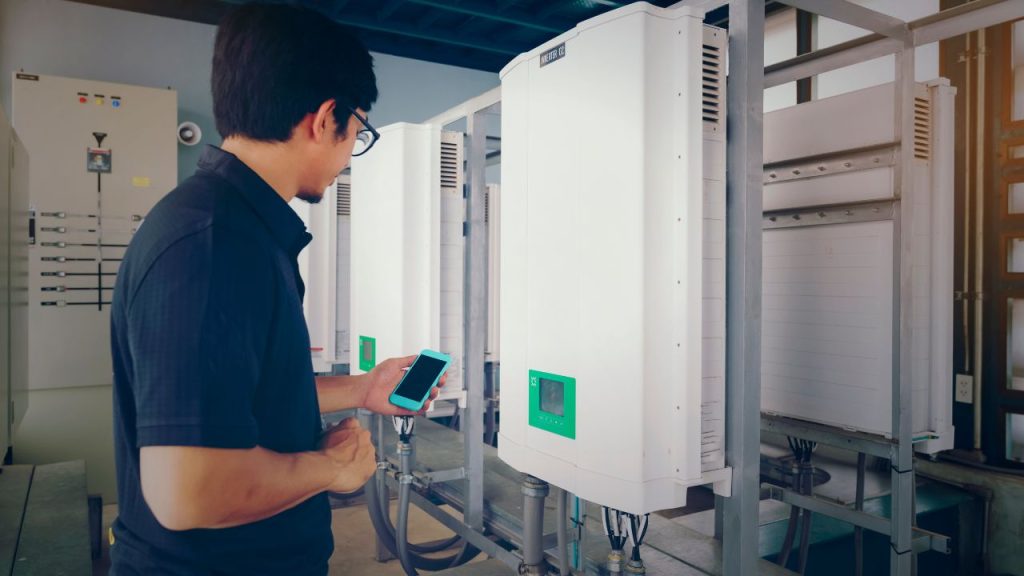
While the basics above are the main rules for getting the right-sized solar inverter, there are also other things worth considering.
System Efficiency
No inverter works at 100% efficiency, and some of the power will be lost during conversion. It helps to know how efficient your inverter is so you can understand how much energy will reach your home.
Adding More Solar Panels
If you have spare roof space, you may want to increase your system size in the future. Choosing an inverter that can handle extra panels means you won’t need to replace it later.
Power Loss In Older Homes
If your property has older wiring, you may lose some power through loose connections or resistance. This can affect how well your system performs and should be checked before deciding on an inverter size.
How to Decide the Right Size for Your Inverter?
To find the best inverter size for your needs, follow these steps:
- Check your solar panel system size – look at the maximum PV power rating on the inverter datasheet.
- Look at your electricity use – check past energy bills to see how much power you use on average.
- Think about the future – if you plan to add a battery or charge an electric vehicle later, you may want a larger inverter.
- Get expert advice – an installer can help you match your system size, usage, and budget.
Conclusion!
The size of your solar inverter is central to how efficiently your system works. It needs to manage the power your panels generate while supplying enough electricity for your household. Other factors, such as efficiency, future expansion, and wiring quality, also play a part. Understanding these points will help you get the best performance and value from your solar investment.
If you’re still asking, “What size solar inverter do I need?”, the experts at My Power are here to support you. Contact our team today for friendly guidance and take the next step with ease towards reliable, renewable energy for your property.