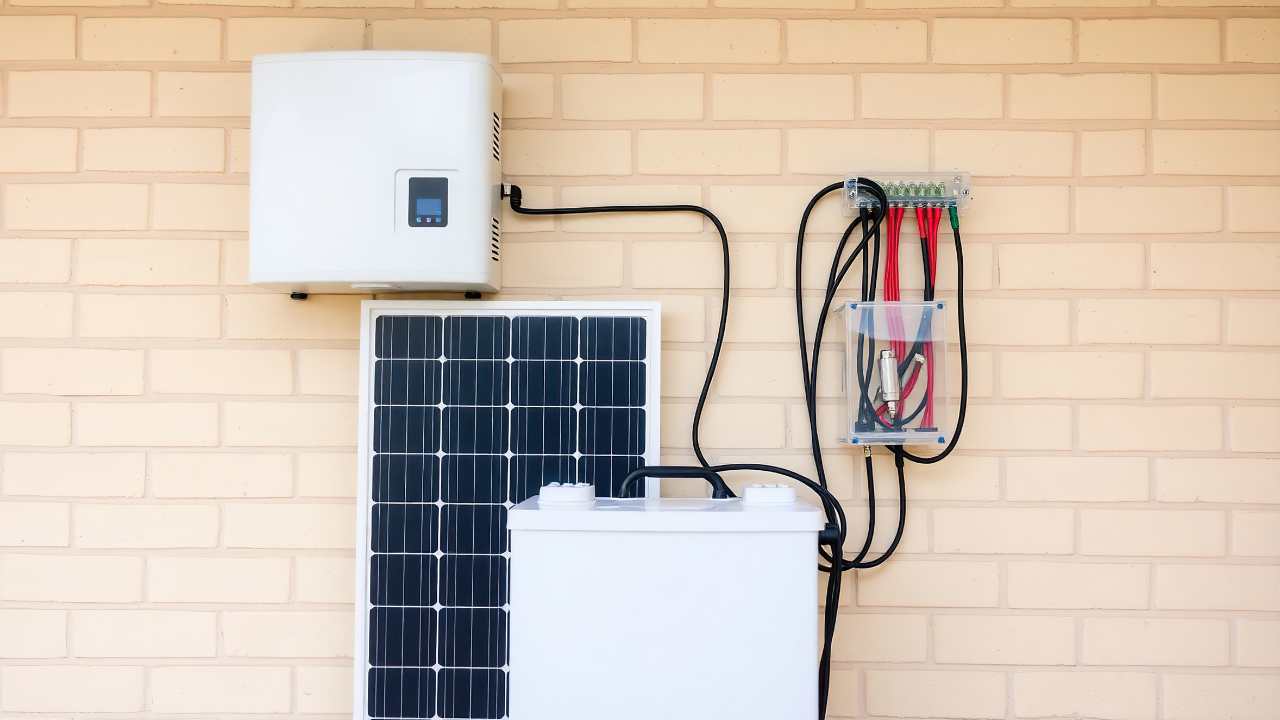
Home battery storage is becoming an essential part of modern solar systems, giving homeowners greater control over how and when they use the energy they generate. As electricity prices rise and more households look for ways to cut costs, storing excess solar power for later use has never been more valuable.
A well-chosen battery can improve energy independence, provide backup during outages, and make your solar panels work even harder for you.
In this blog, we’ll explore the basics of home battery storage, how it works, solar batteries you need for home & solar battery grants available. With the right setup, managing your energy becomes easier and far more efficient.
Let’s start!
What is Home Battery Storage?
Home battery storage is becoming an essential part of modern solar setups, offering a smarter way to use the energy your panels generate. Instead of relying solely on real-time demand, a battery stores any unused electricity during the day so it can be used later when your panels aren’t producing.
This means you can power your home more efficiently, reduce dependence on the grid, and make better use of your renewable energy. As more households look for ways to cut energy bills and improve energy security, battery storage has quickly become a practical and valuable addition to solar PV systems.
How Does Home Battery Storage Work?
Home battery storage works by capturing excess solar energy and saving it for use when your home needs it most. During daylight hours, your solar panels produce electricity, often generating more than your home needs at that moment.
Instead of letting this extra energy go to waste or exporting it straight to the grid, a battery stores it for later use. When evening comes or the weather turns dull, your home can draw power directly from the stored energy, reducing your reliance on the grid. It’s a simple and efficient system that acts almost like having your own small power station at home.
How to Decide How Many Solar Batteries You Need?
The right number of solar batteries depends on how your home uses energy now and how you plan to use it in the future.
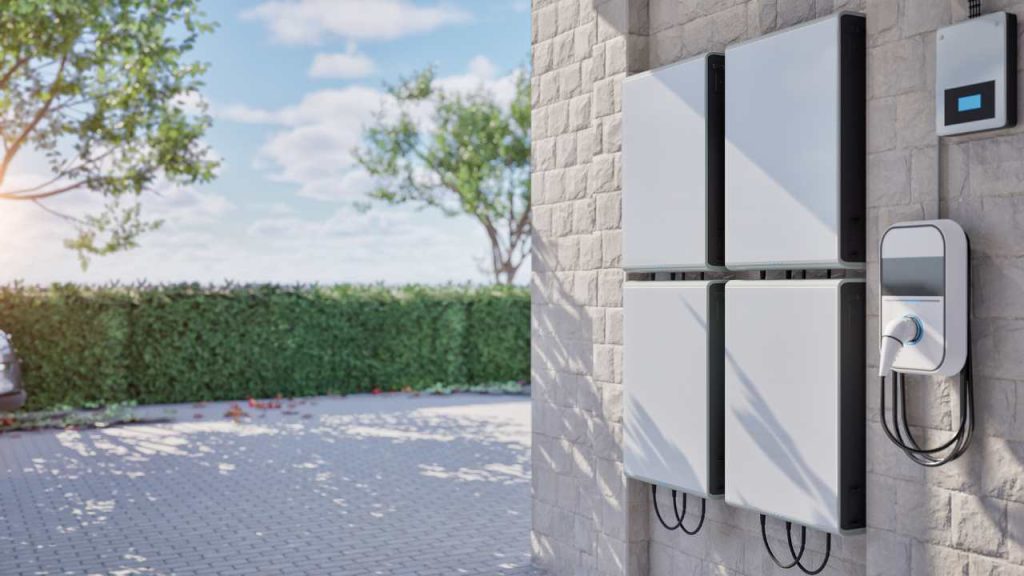
Factors such as usage patterns, system size, and backup expectations all play a part in choosing a setup that works reliably and efficiently.
Energy Consumption
Your daily electricity use is one of the biggest factors when deciding on battery capacity. Homes with higher usage, especially in the evenings, usually need more storage to cover demand after sunset.
Appliances, heating systems, and general lifestyle all influence this. Understanding your typical consumption helps avoid under-sizing or overpaying for storage you do not need.
Solar System Size
The size of your solar panel system affects how much excess electricity is available to store. Larger systems tend to produce more surplus power during the day.
Without enough battery capacity, this extra energy may be exported rather than used later. Matching battery size to system output helps maximise self-consumption.
Backup Power Needs
Some households want batteries mainly for backup during power cuts. The amount of storage required depends on how many essential circuits you want to keep running.
Lighting, refrigeration, and communications usually take priority. Longer backup times require greater battery capacity.
Battery Type and Capacity
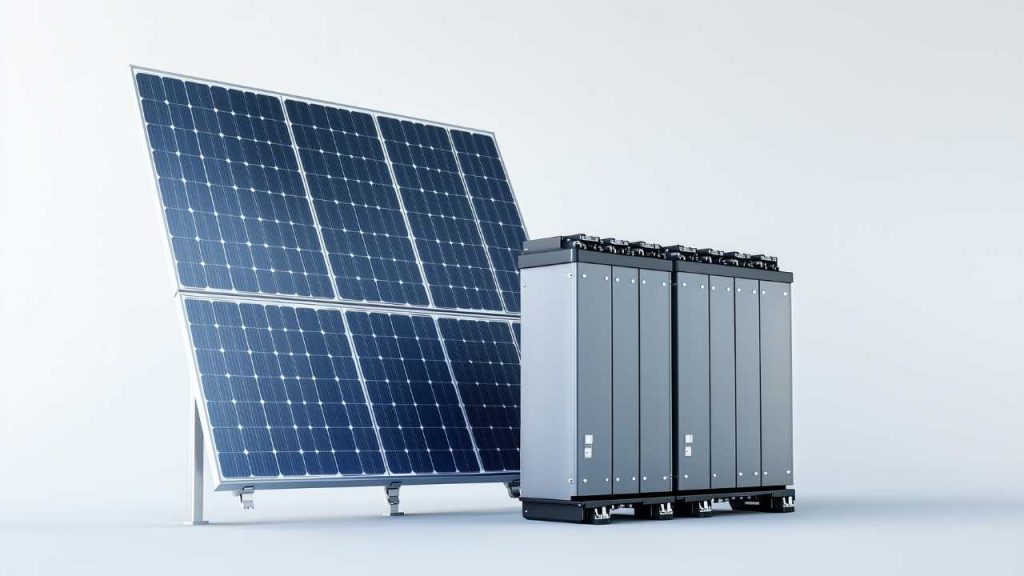
Different batteries offer varying usable capacity, efficiency, and lifespan. The usable portion of a battery is more important than its headline size.
Factors such as depth of discharge and round-trip efficiency affect real-world performance. Choosing the right technology ensures reliable storage over many years.
Budget Considerations
Battery systems represent a significant investment, so budget plays an important role. Costs include the battery itself, installation, and any supporting equipment.
Balancing upfront cost with long-term benefits is key. A well-sized system avoids paying for unnecessary capacity.
Planning for Future Expansion
Energy needs can change over time due to electric vehicles, heat pumps, or additional appliances. Planning for future expansion allows batteries to be added later if required.
Scalable systems provide flexibility without needing major upgrades. Thinking ahead helps protect your investment long term.
What Are The Solar Battery Grants Available in Ireland?
Homeowners in Ireland can access financial support to help reduce the cost of installing solar battery storage. Grants are available through national energy schemes and are designed to make home energy upgrades more affordable.
These grants can offer funding of up to €1,800 towards eligible battery systems, helping to lower the upfront investment required. Support is typically provided for systems that meet technical and installation standards set by the relevant authorities.
By reducing installation costs, these grants encourage wider adoption of renewable energy and improved energy efficiency in homes. Taking advantage of available funding can make battery storage a more practical and cost-effective option for many households.
Conclusion
Home battery storage offers homeowners a practical way to take greater control of their energy use, reduce reliance on the grid, and make the most of the electricity their solar panels generate. By understanding how these systems work, financial incentives & safety considerations, you can decide whether a battery is the right addition to your home. With the right setup, it can provide long-term savings, improved energy independence, and a more efficient solar system overall.If you’re ready to explore the best options for your home, contact My Power today. Their team can guide you through ins